Subcategories
Products ()
Inclusive of all taxes
Cables, wires and electrical accessories for industrial and construction use.
Cables, wires, electrical accessories


Inclusive of all taxes

Inclusive of all taxes

Inclusive of all taxes

Inclusive of all taxes

Inclusive of all taxes

Inclusive of all taxes

Inclusive of all taxes

Inclusive of all taxes

Inclusive of all taxes

Inclusive of all taxes

Inclusive of all taxes

Inclusive of all taxes

Inclusive of all taxes

Inclusive of all taxes

Inclusive of all taxes

Inclusive of all taxes
Showing 16 of 16 products
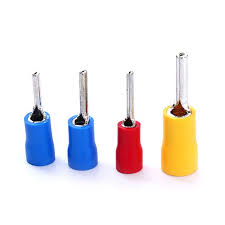
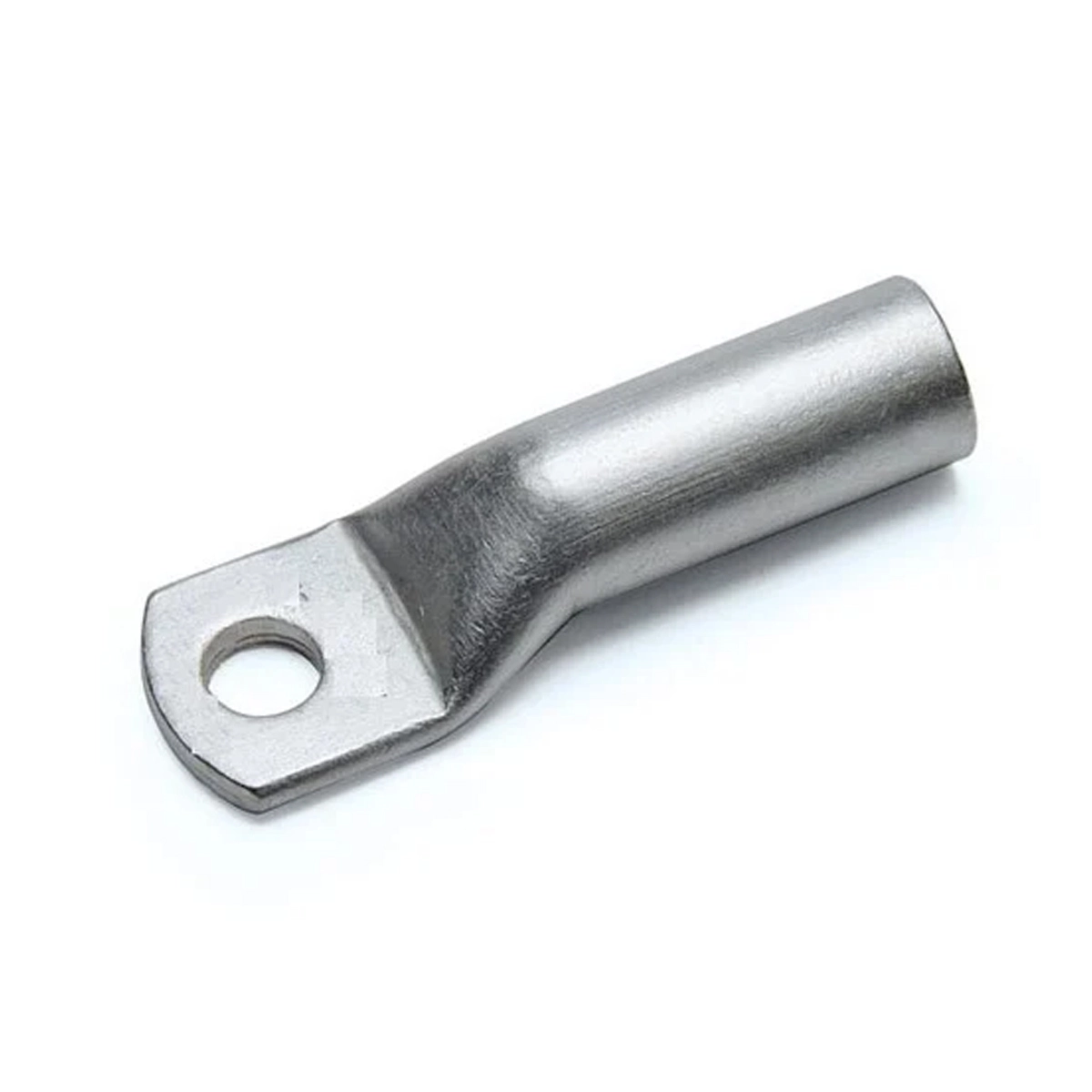
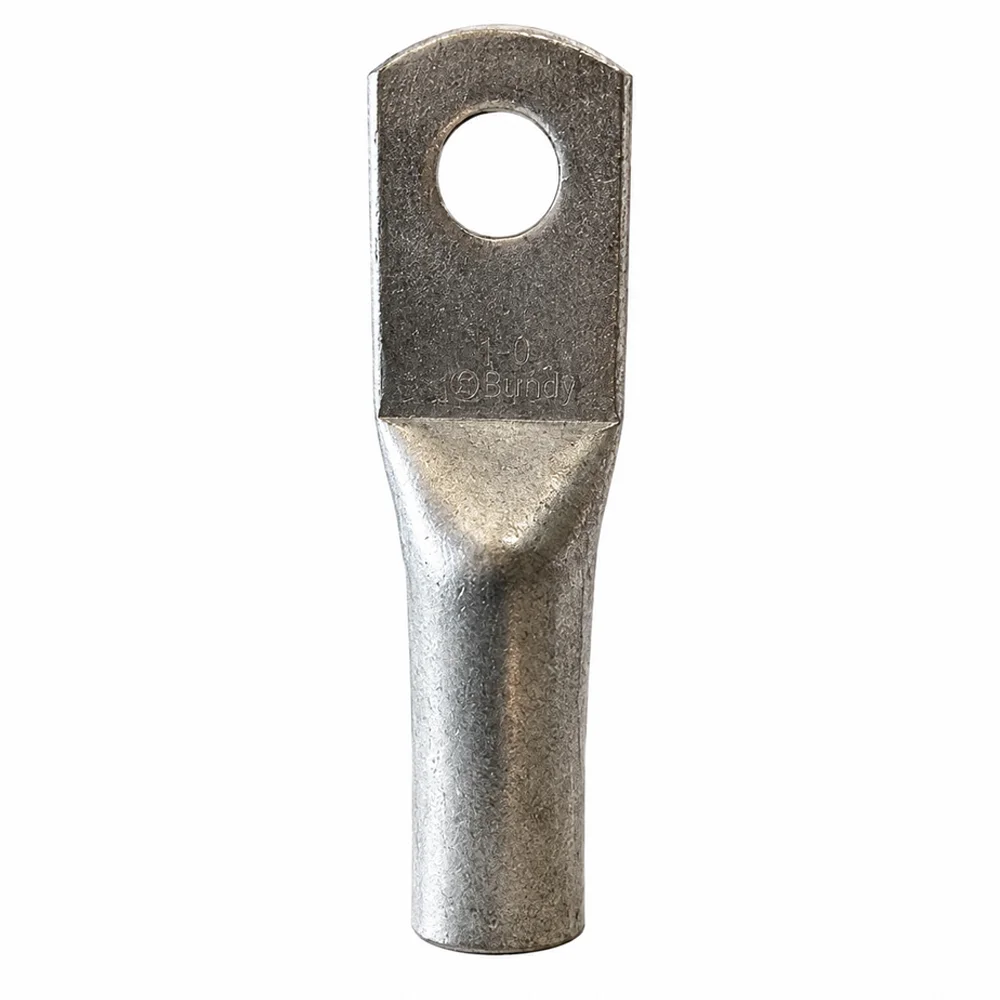
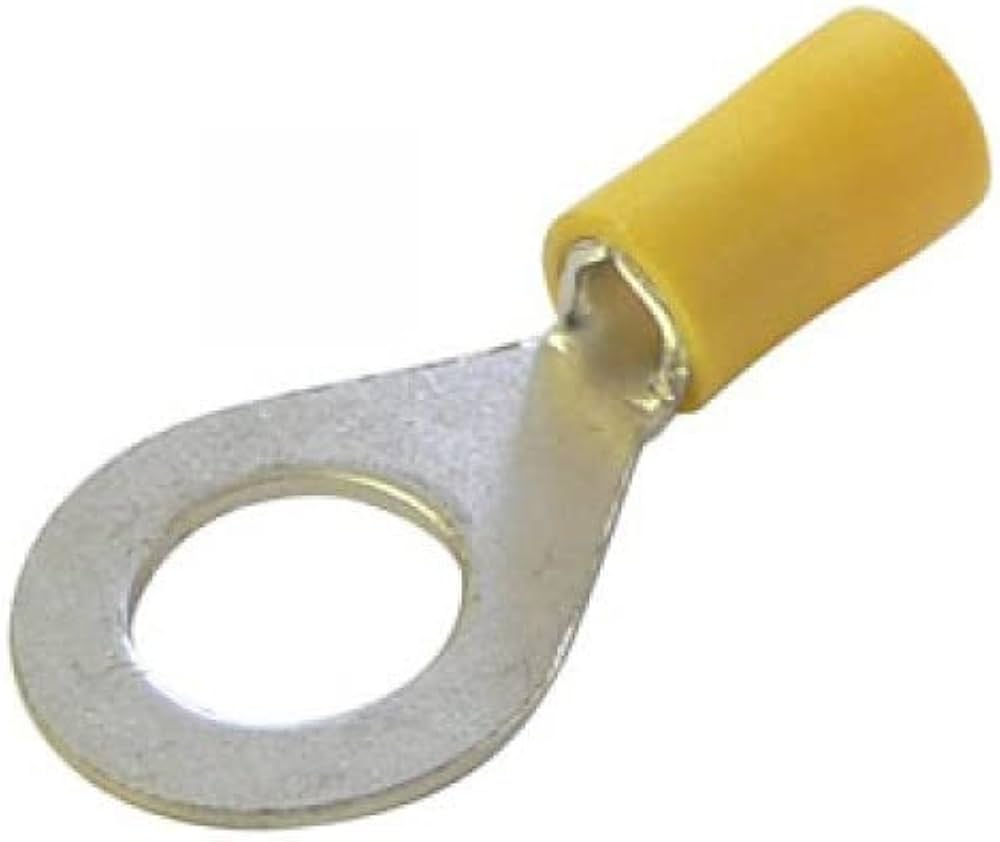
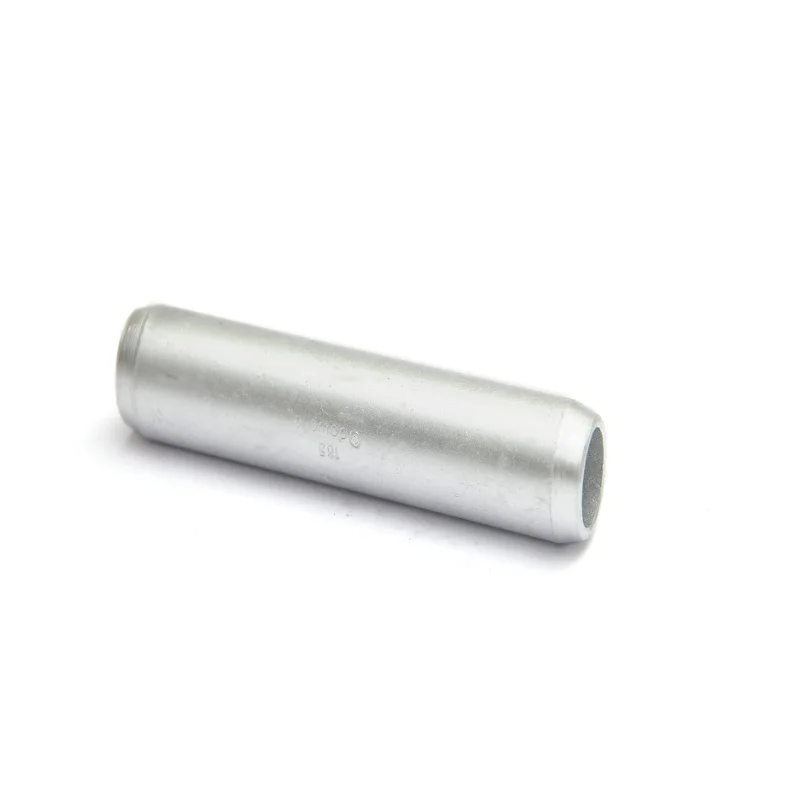
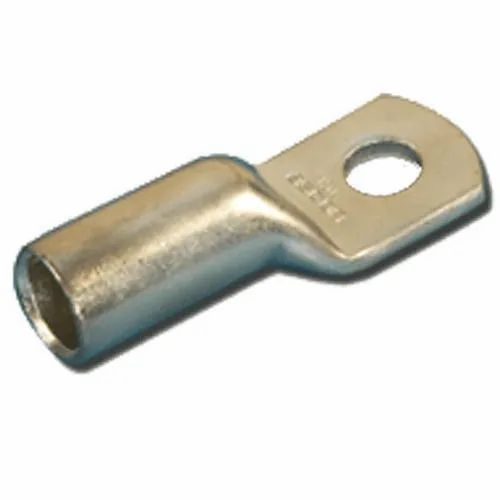
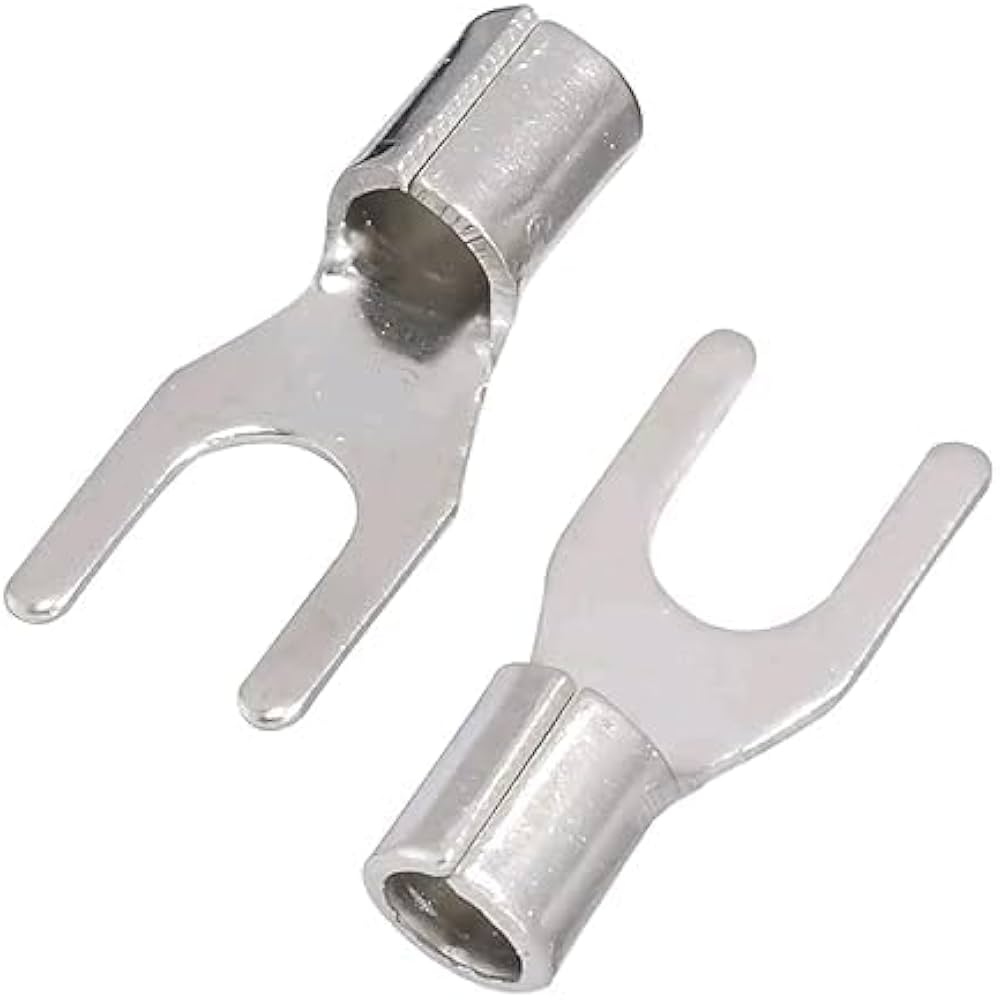
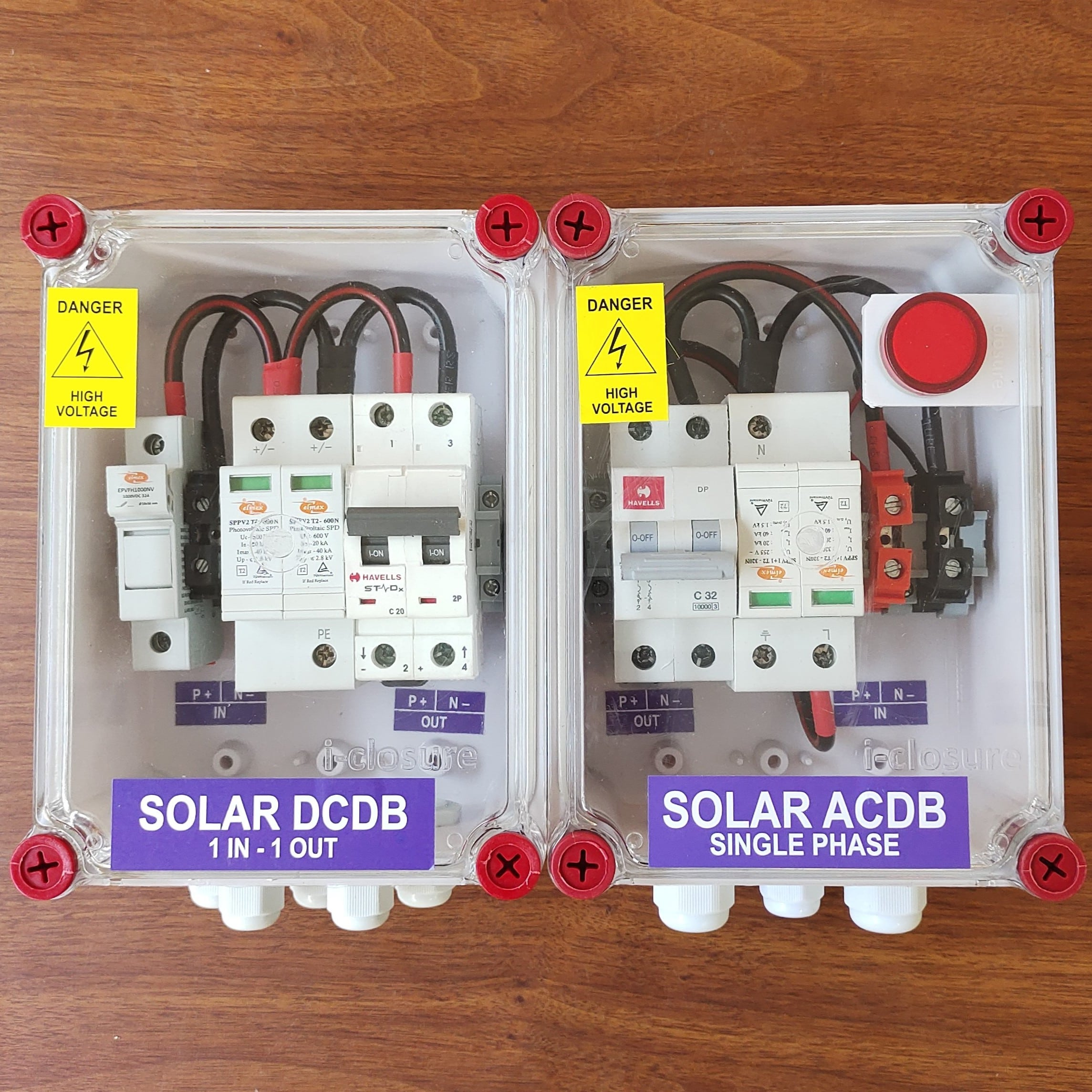
Electrical cables and wires carry power and signals between equipment, panels and fixtures. When selecting a cable, check the conductor material (copper or aluminium), the number of cores, the cross-sectional area in square millimetres, the voltage rating and the insulation and sheath type. The cross-section must suit the current the circuit will carry and the length of the run, because voltage drop increases with distance. Armoured or flame-retardant cables are often specified for industrial sites, underground runs and cable trays. Wires and cables should be installed to the applicable electrical code and by a qualified electrician. Accessories such as junction boxes, glands, lugs, connectors and cable ties should match the cable size and environment, including any requirement for dust or moisture protection.

The cross-section is the area of the copper or aluminium conductor, given in square millimetres. A larger cross-section carries more current and suffers less voltage drop over distance. The correct size depends on the load current, the cable length and the installation method.
Copper has higher conductivity and is more flexible, so a smaller copper cable can carry the same current as a larger aluminium one. Aluminium is lighter and lower in cost, and is often used for larger feeder and distribution cables. The choice depends on the application, budget and installation requirements.
A single core cable has one insulated conductor. A multicore cable has several conductors within one sheath, which simplifies wiring for connections that need multiple circuits, such as control wiring. Check the core count and the colour coding required by your installation.
Match the voltage rating to your supply voltage, and confirm the current rating for the expected load. For fixed installations, also consider the ambient temperature, the installation method (conduit, tray or direct burial) and any fire-retardant or armouring requirement.