Subcategories
Products ()
Inclusive of all taxes
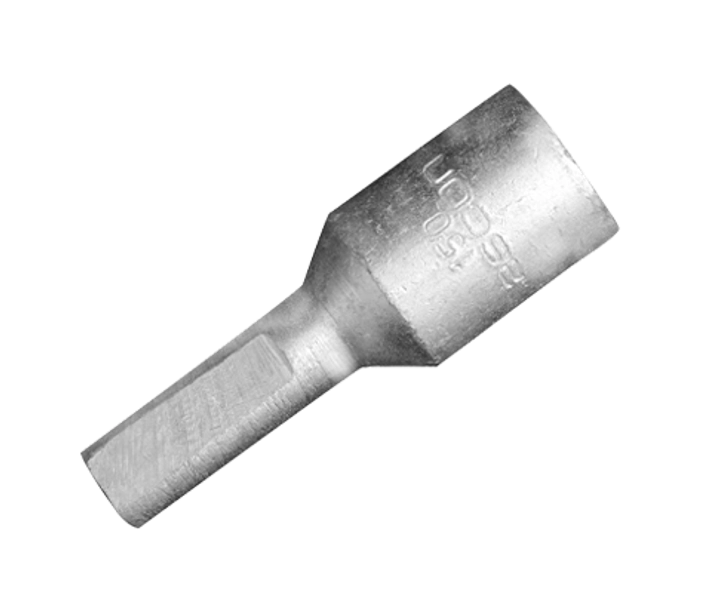
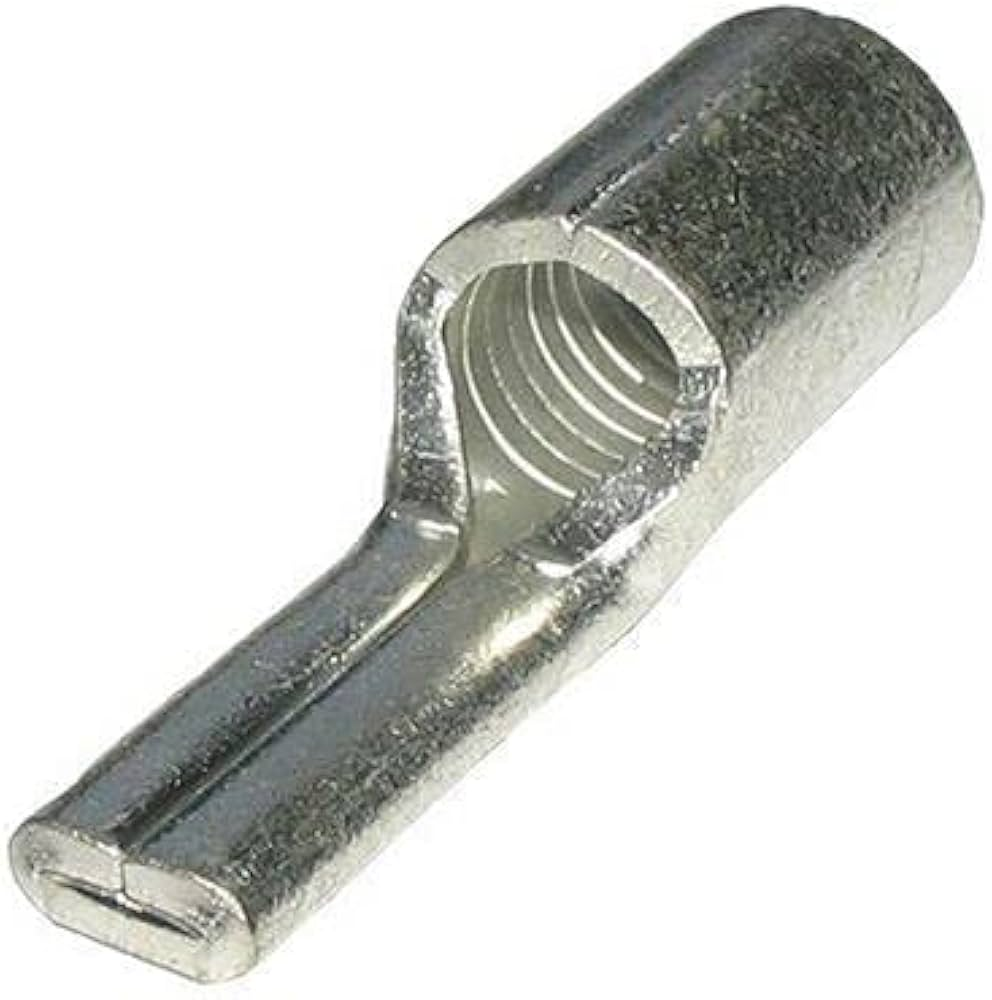
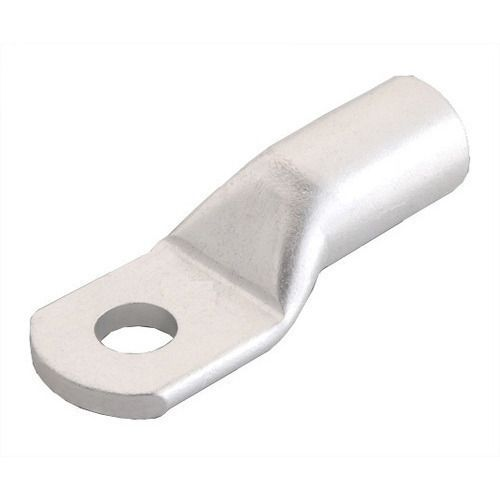
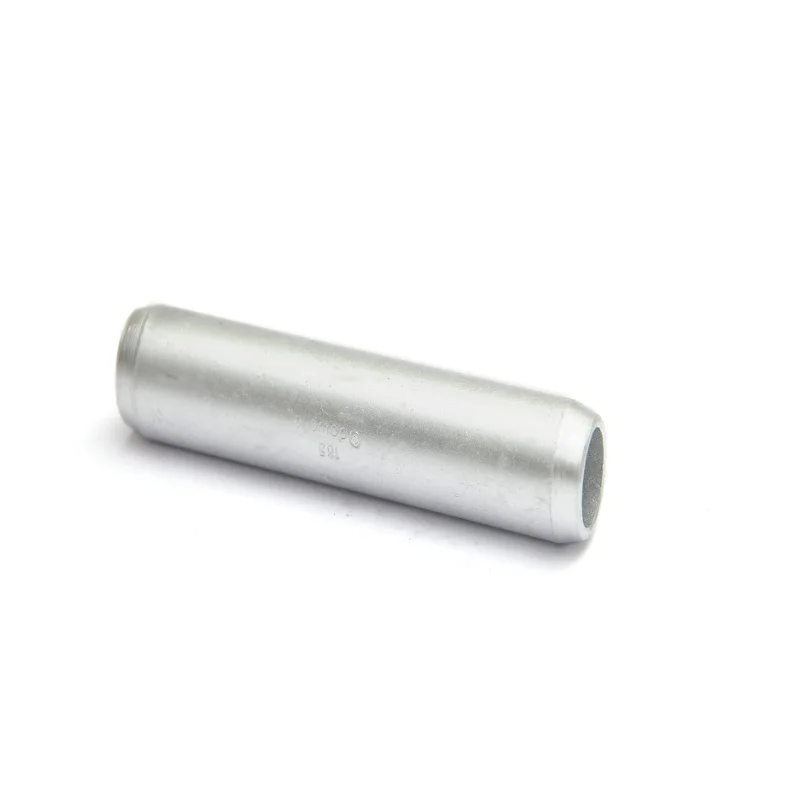
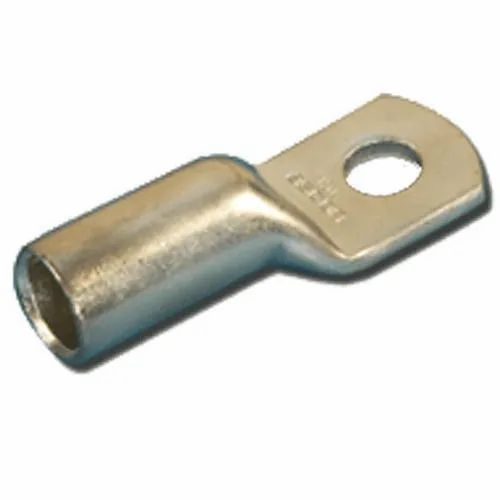
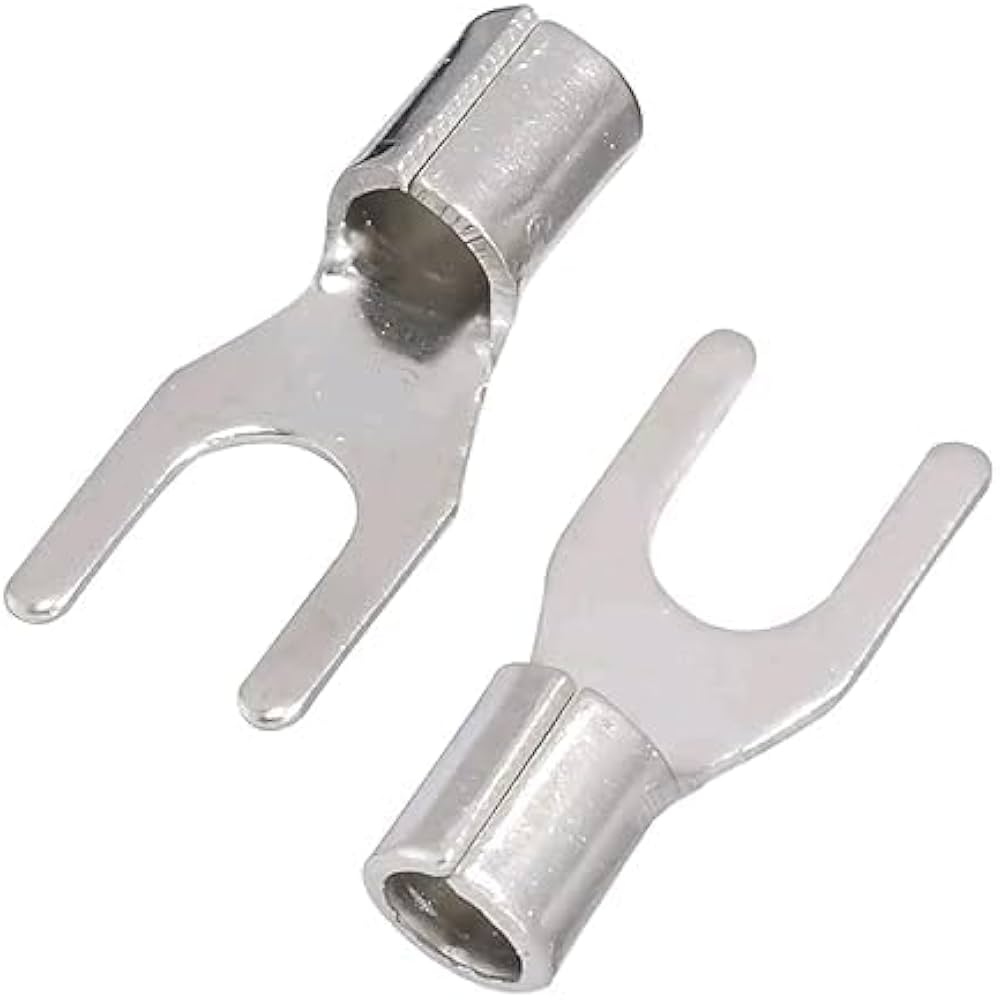
Copper and aluminium crimp terminals, connectors and ring lugs for panel and cable work.

Inclusive of all taxes

Inclusive of all taxes

Inclusive of all taxes

Inclusive of all taxes

Inclusive of all taxes

Inclusive of all taxes

Inclusive of all taxes

Inclusive of all taxes

Inclusive of all taxes

Inclusive of all taxes

Inclusive of all taxes

Inclusive of all taxes

Inclusive of all taxes

Inclusive of all taxes

Inclusive of all taxes

Inclusive of all taxes
Showing 16 of 16 products
Crimping terminals join a stripped cable end to a bolt, stud, or connector without soldering. Choosing the right one depends on three things: the conductor material, the conductor size, and the termination point.
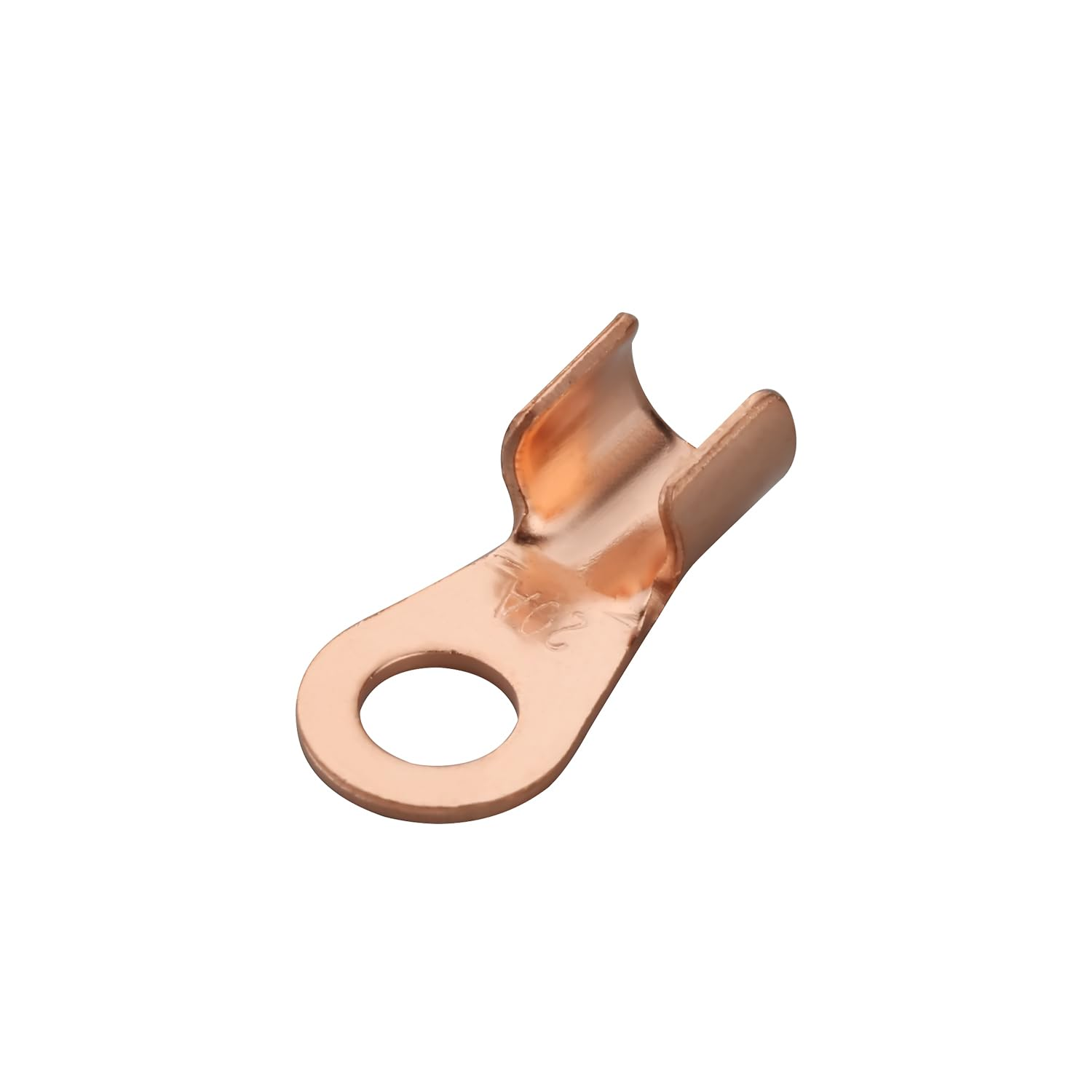
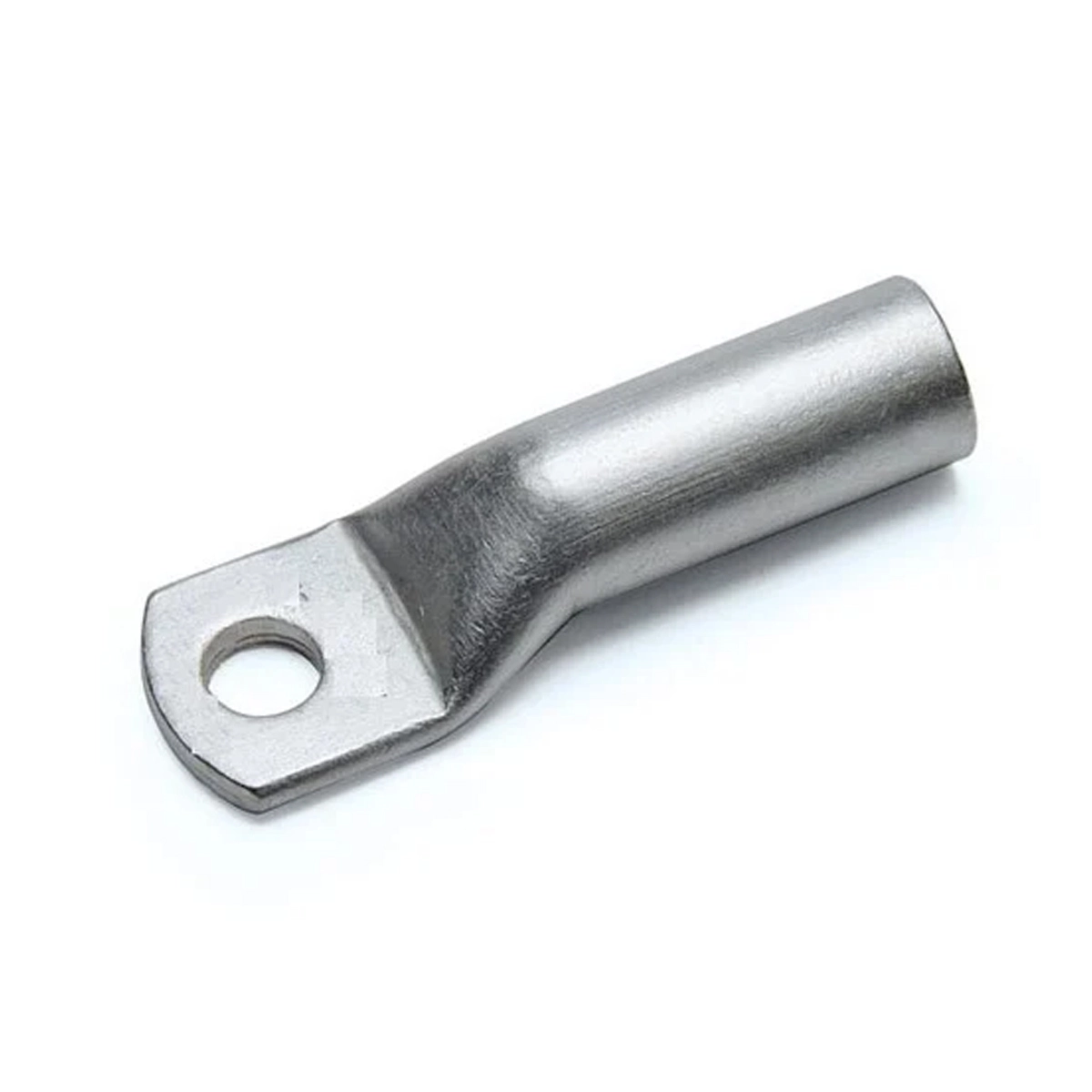
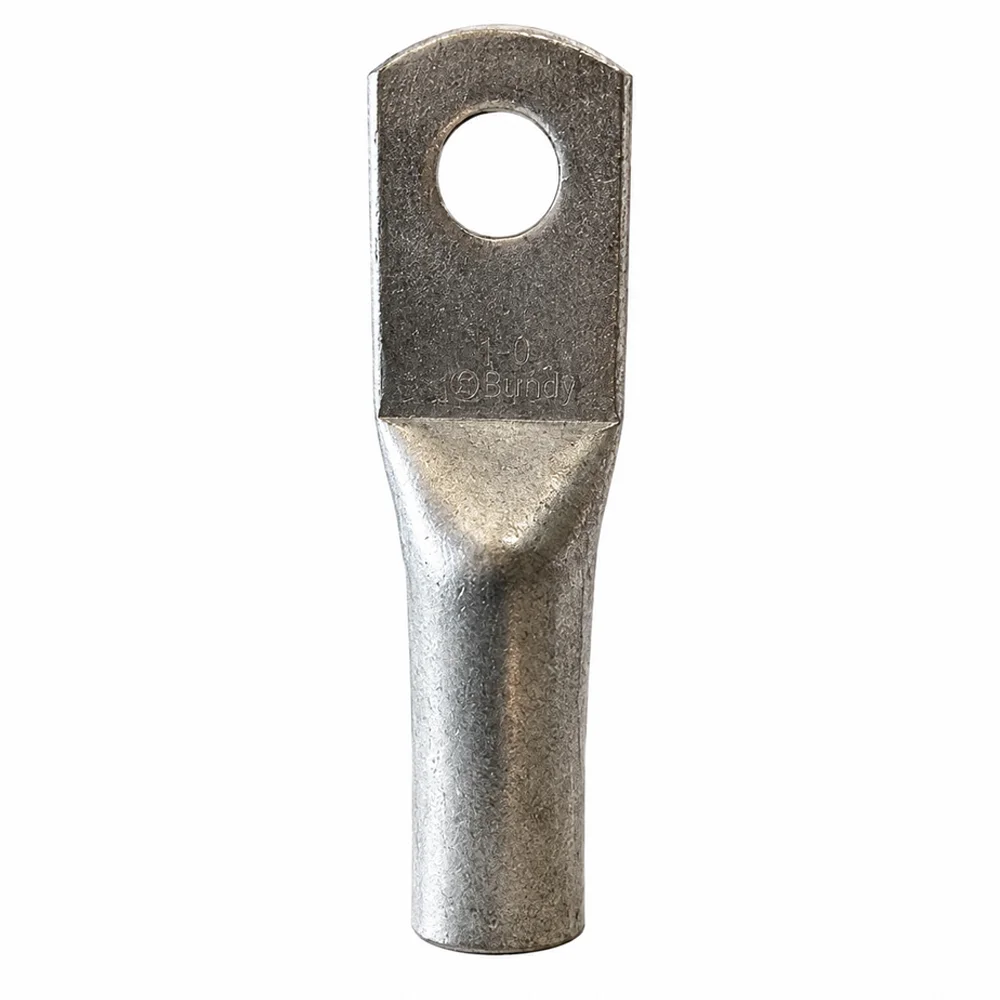
Material: Copper terminals suit most panel wiring and general electrical work. Aluminium terminals are used with aluminium conductors, which are common in larger feeders and some solar and distribution circuits. Do not mix metals in a joint without a suitable transition piece.
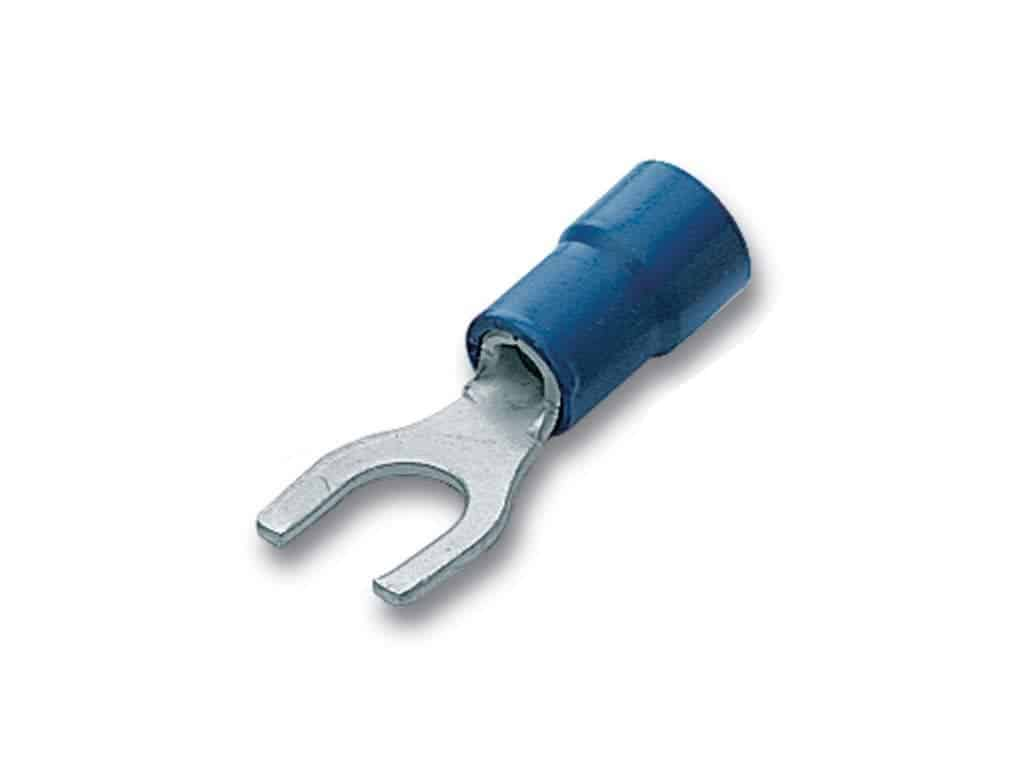
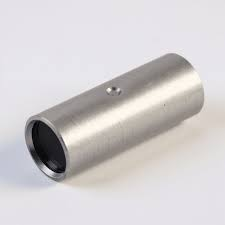
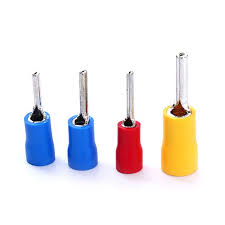
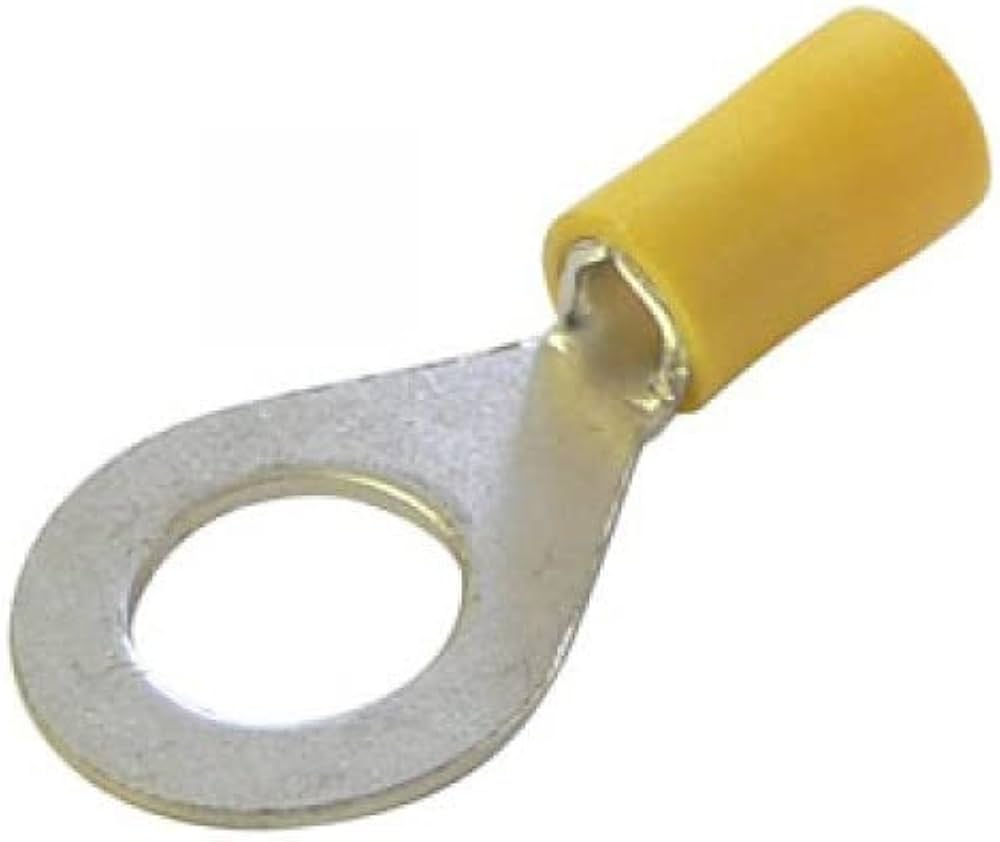
Type: Ring and fork terminals fit under bolts or screws on busbars, switches and terminal blocks. Pin and snap-on terminals plug into connector housings. Tube terminals and long barrel terminals take a stranded conductor for a crimped joint. In-line connectors and reducers join two cables, or step between two conductor sizes.
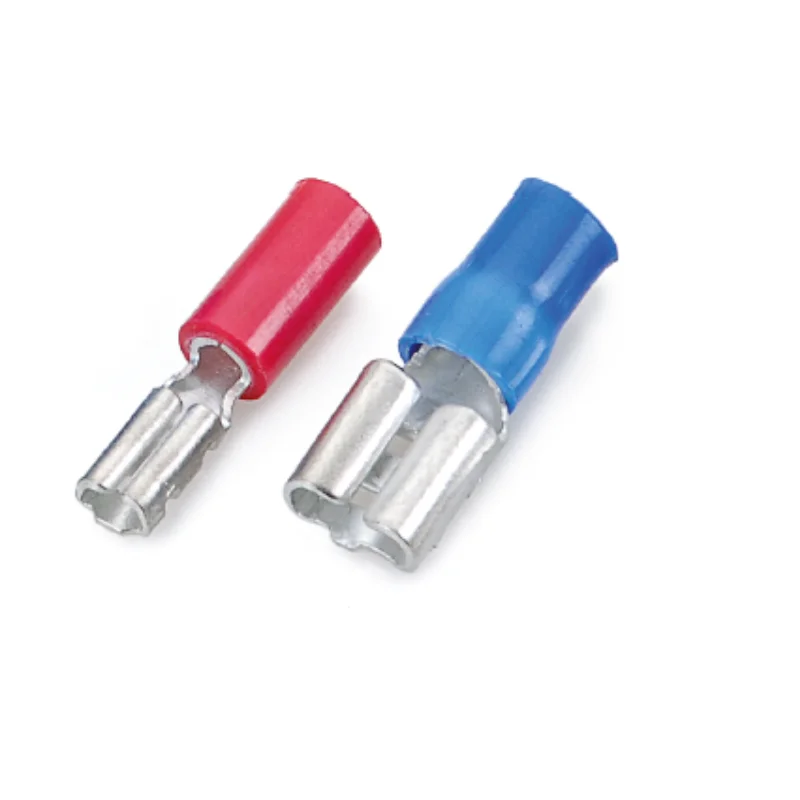
Insulation: Insulated terminals have a colour-coded sleeve that matches the conductor size range. Uninsulated terminals are used where the joint is covered by heat shrink or an enclosure.
Size: Check the conductor cross-section in square millimetres and the stud or pin size. Use a crimping tool rated for the terminal type and size. A loose crimp increases resistance and heating at the joint.
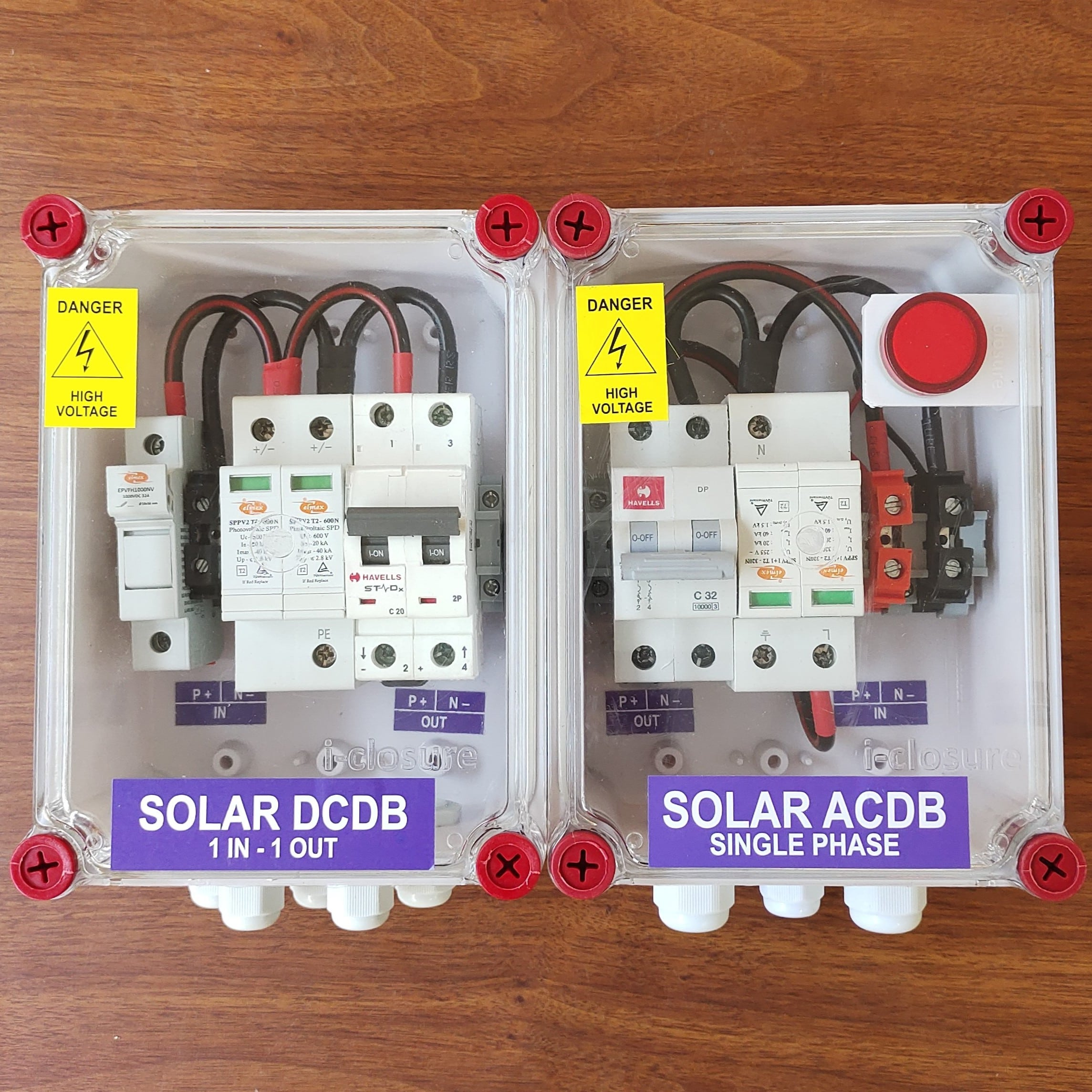
Solar and DC installations often use combined AC and DC distribution boards with their own cable and terminal requirements. Confirm ratings with the installer or the equipment manual.

Copper terminals are used with copper conductors and are the usual choice for panel wiring. Aluminium terminals are made for aluminium conductors. Avoid joining copper and aluminium directly without a rated transition joint, as the metals can corrode at the contact point.
Match the terminal's conductor range to the cable cross-section in square millimetres. Also match the stud or screw size for ring and fork types. The size and colour code on insulated terminals show the range they are rated for.
Insulated terminals give a sleeve for protection and visual identification. Uninsulated terminals are used where the joint will be covered by heat shrink tubing or placed inside an enclosure that provides insulation.
Use a crimping tool that is rated for the terminal type and size. Using the wrong die or an incorrect tool can give a loose crimp, which causes resistance, heating and eventual failure.