Subcategories
Products ()
Inclusive of all taxes
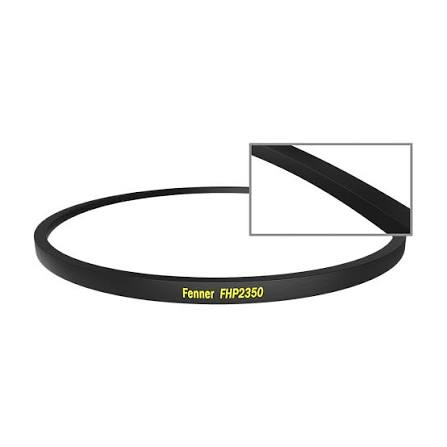
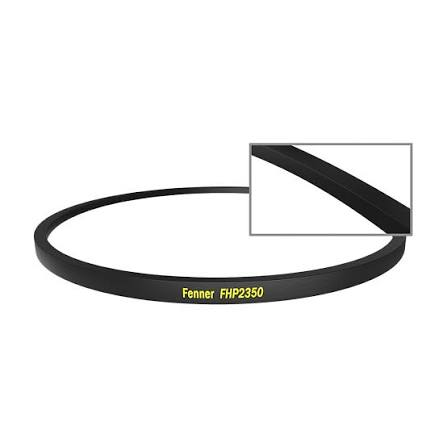
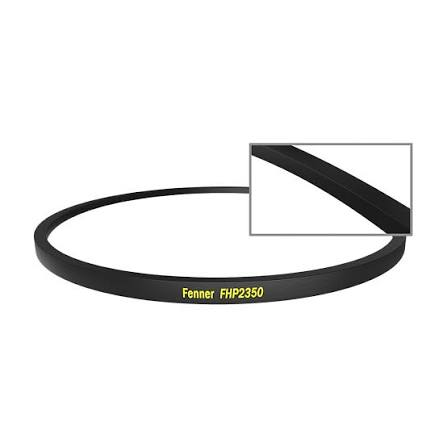
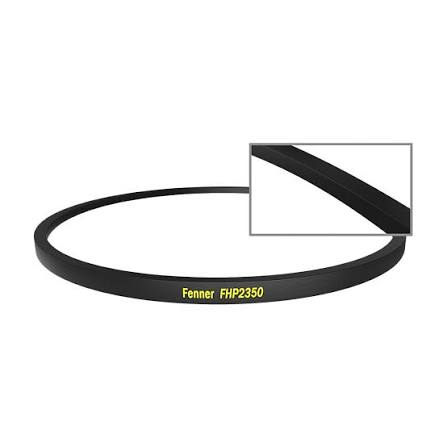
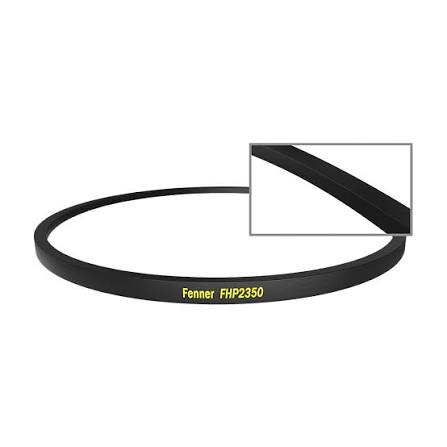
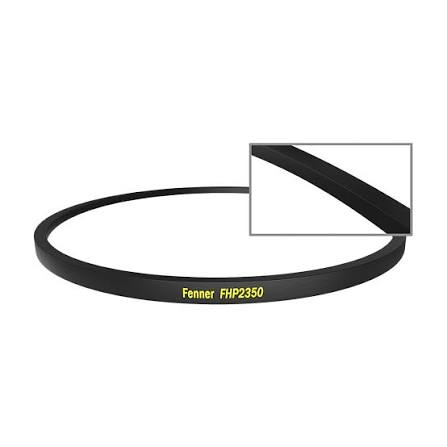
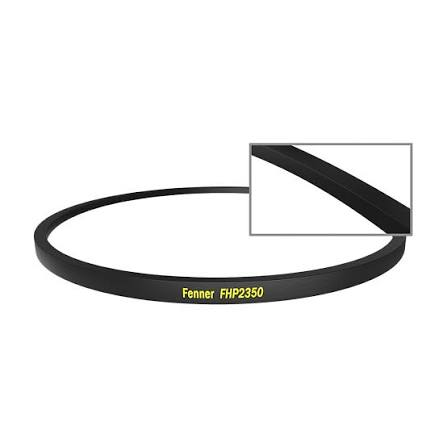
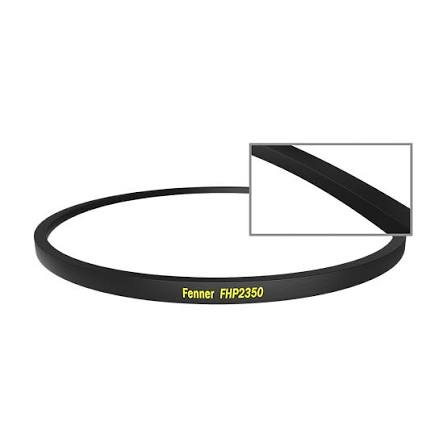
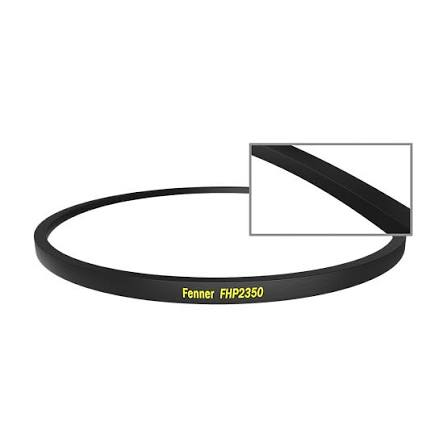
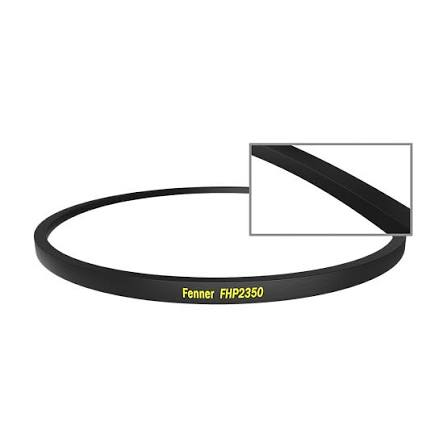
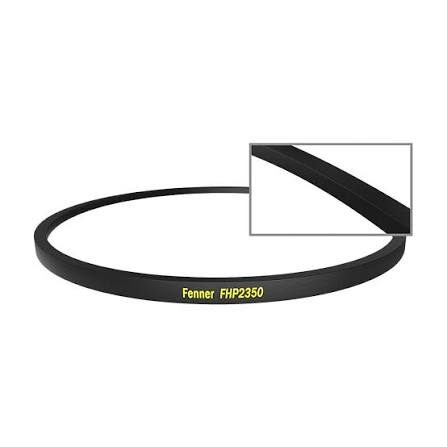
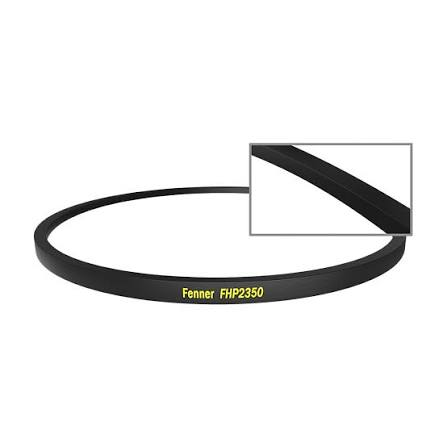
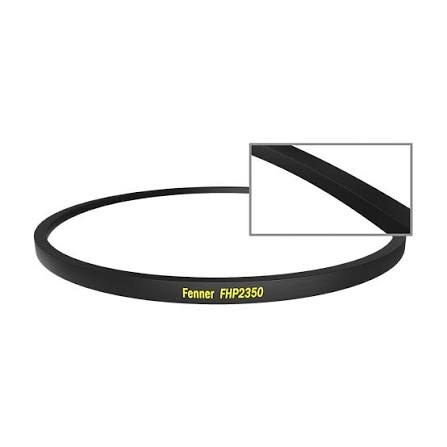
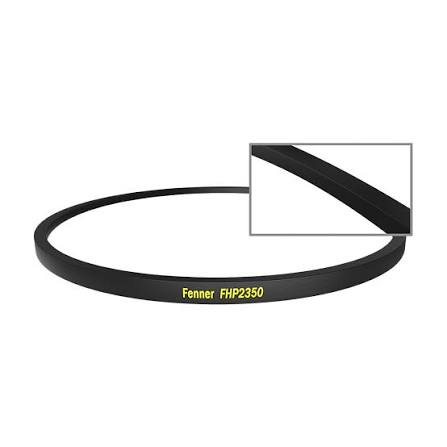
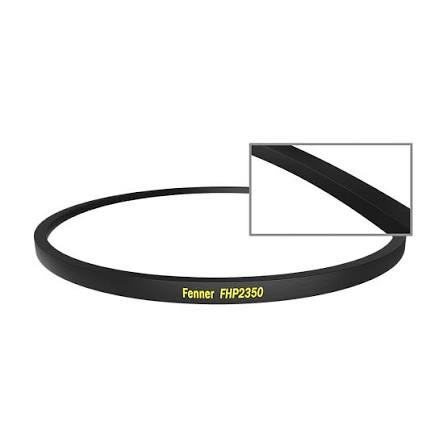
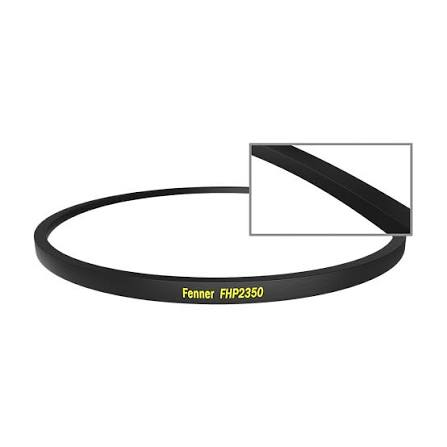
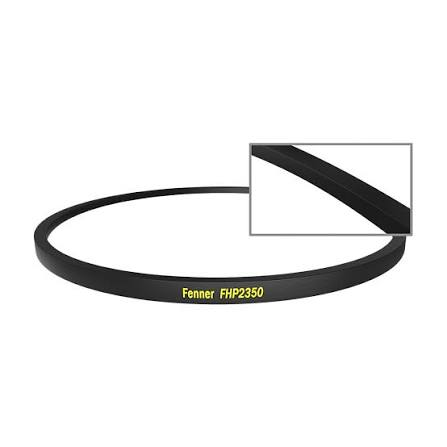
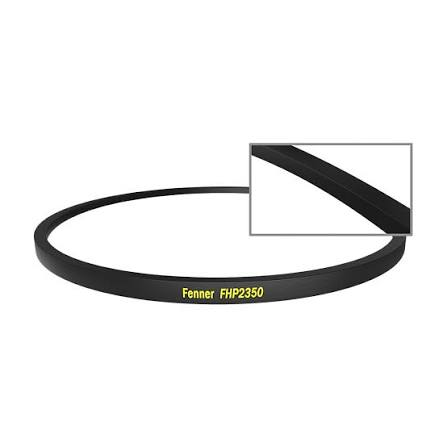
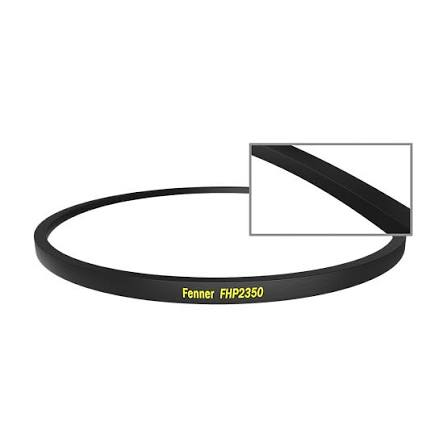
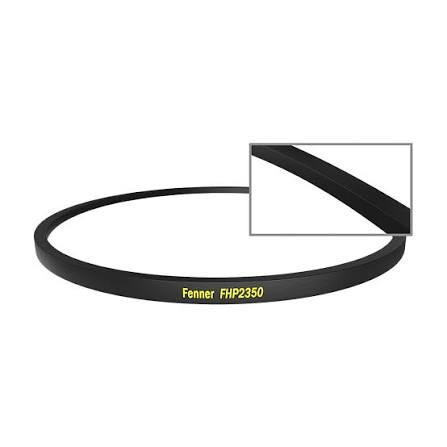
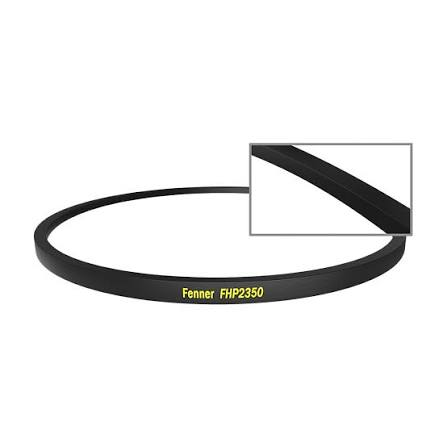
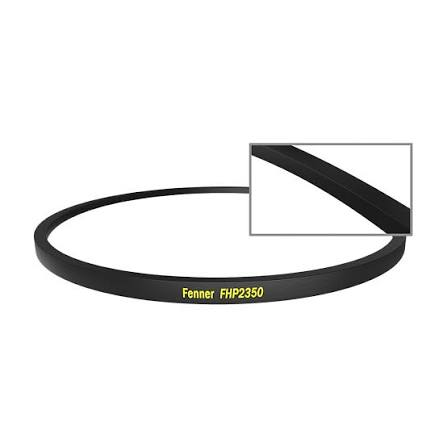
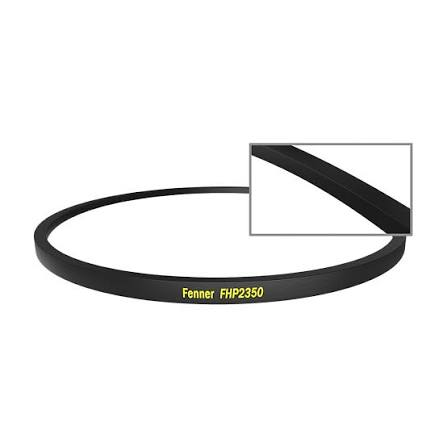
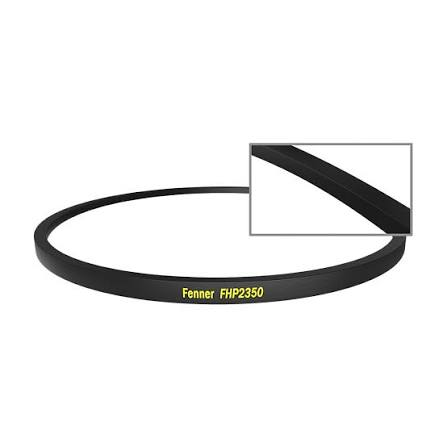
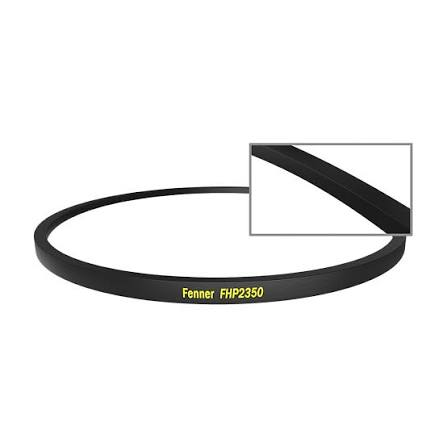
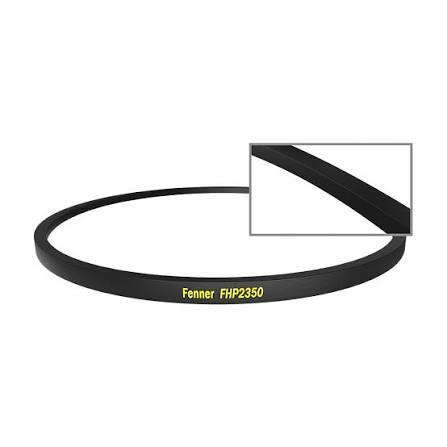
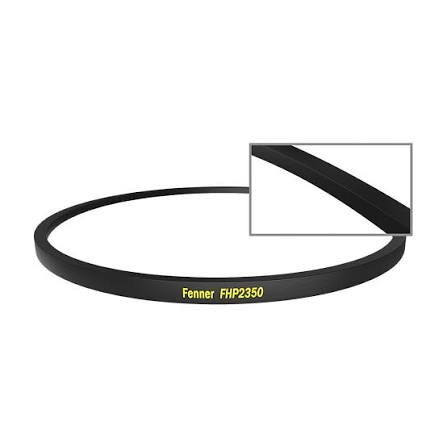
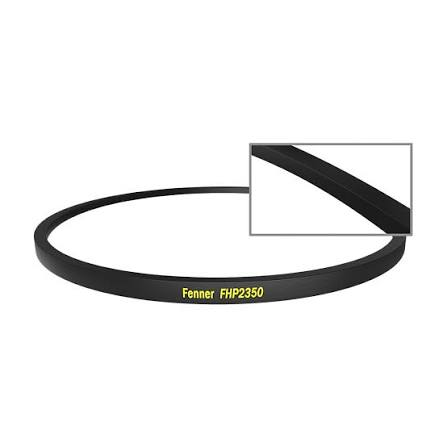
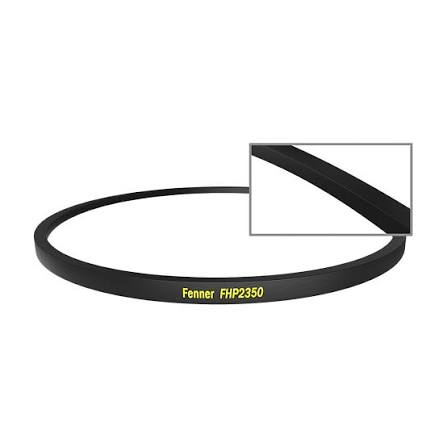
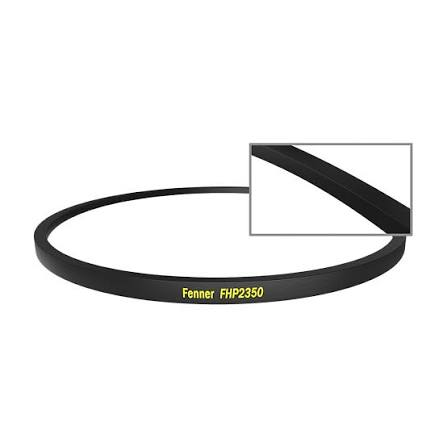
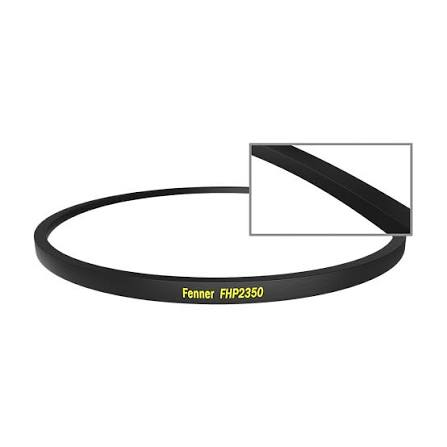
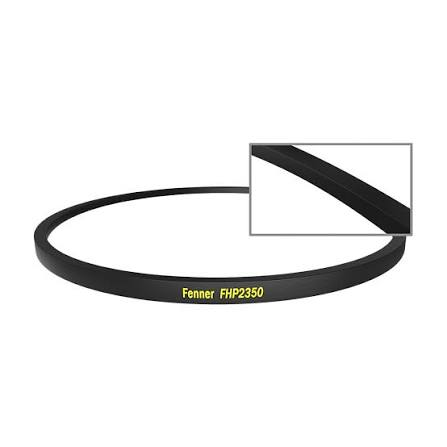
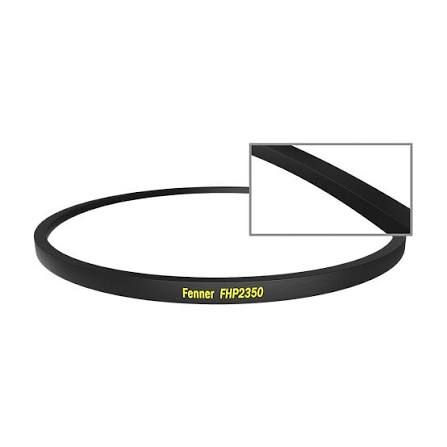
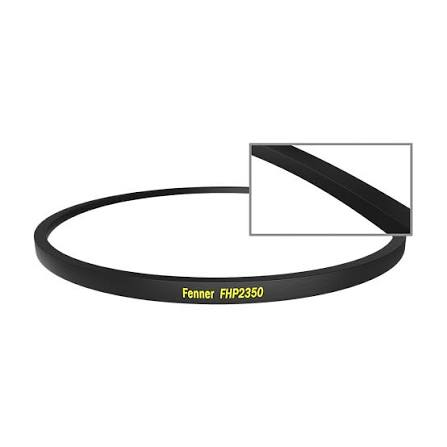
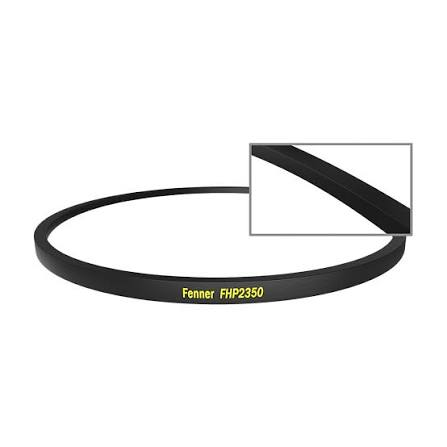
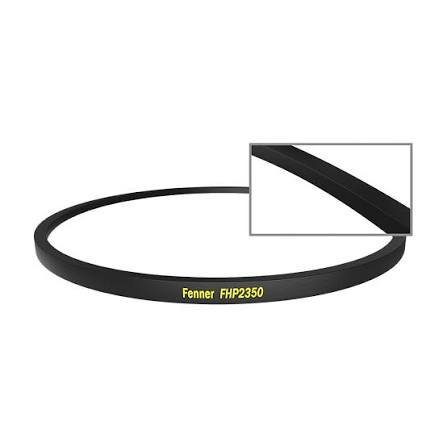
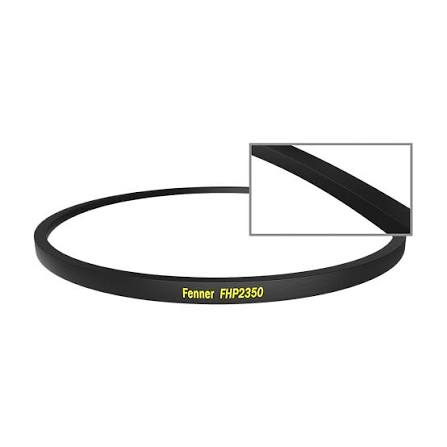
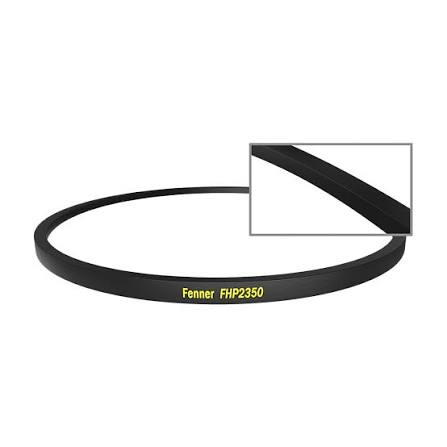
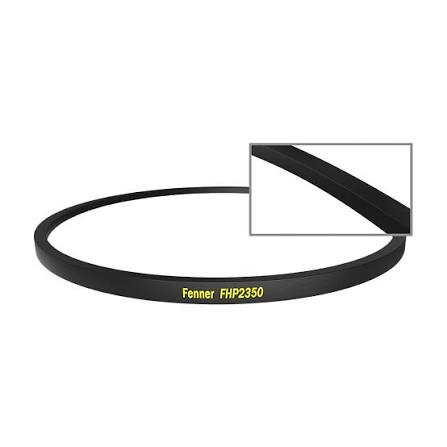
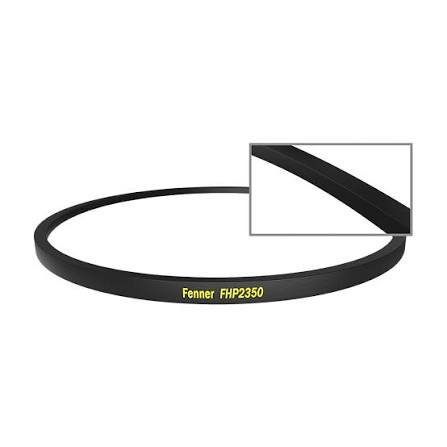
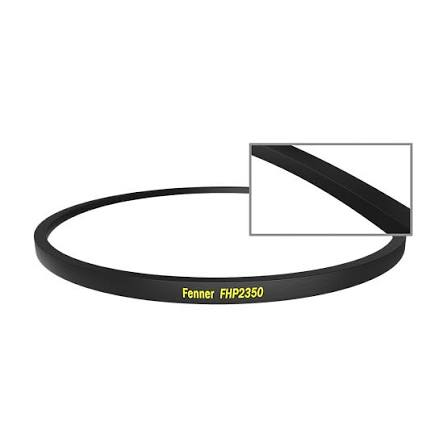
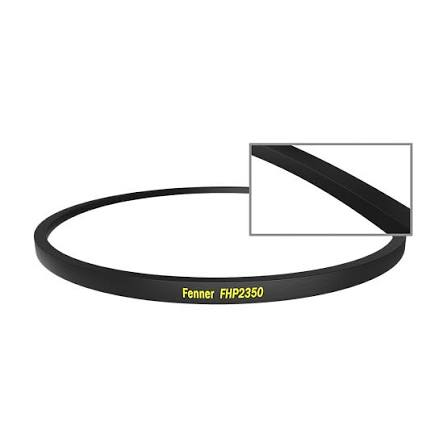
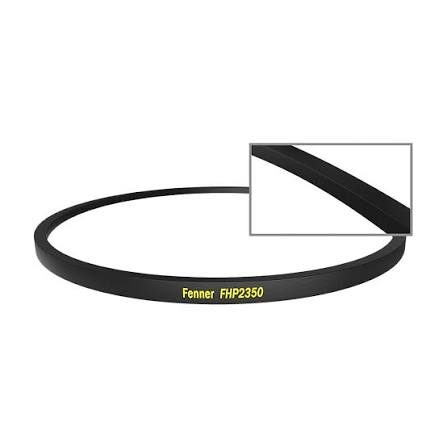
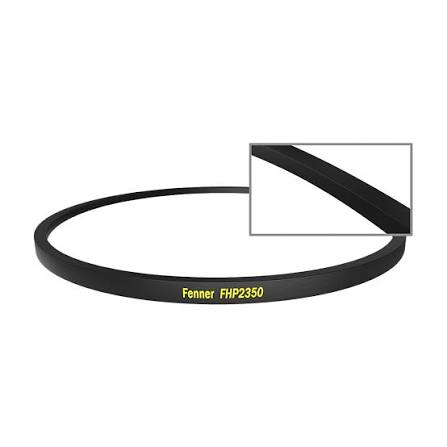
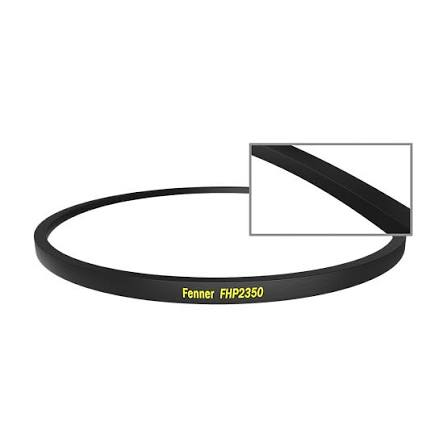
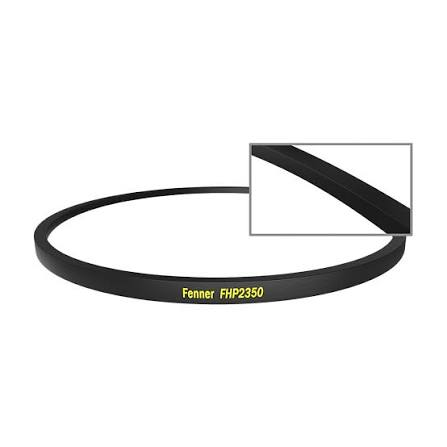
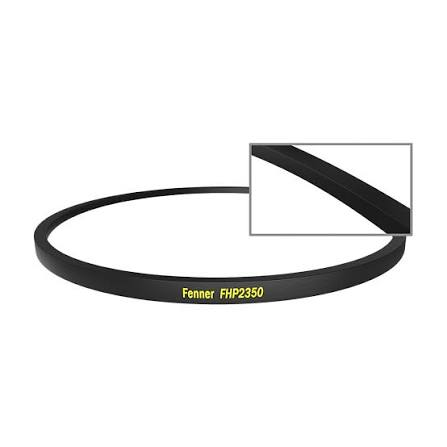
V belts and industrial power transmission belts from JK Fenner for machinery drives.

Inclusive of all taxes

Inclusive of all taxes

Inclusive of all taxes

Inclusive of all taxes

Inclusive of all taxes

Inclusive of all taxes

Inclusive of all taxes

Inclusive of all taxes

Inclusive of all taxes

Inclusive of all taxes

Inclusive of all taxes

Inclusive of all taxes

Inclusive of all taxes

Inclusive of all taxes

Inclusive of all taxes

Inclusive of all taxes

Inclusive of all taxes

Inclusive of all taxes

Inclusive of all taxes

Inclusive of all taxes

Inclusive of all taxes

Inclusive of all taxes

Inclusive of all taxes

Inclusive of all taxes

Inclusive of all taxes

Inclusive of all taxes

Inclusive of all taxes

Inclusive of all taxes

Inclusive of all taxes

Inclusive of all taxes

Inclusive of all taxes

Inclusive of all taxes

Inclusive of all taxes

Inclusive of all taxes

Inclusive of all taxes

Inclusive of all taxes

Inclusive of all taxes

Inclusive of all taxes

Inclusive of all taxes

Inclusive of all taxes

Inclusive of all taxes

Inclusive of all taxes

Inclusive of all taxes

Inclusive of all taxes

Inclusive of all taxes

Inclusive of all taxes

Inclusive of all taxes

Inclusive of all taxes
Showing 48 of 48 products
V belts transmit power between pulleys by friction in a V-shaped groove. They are widely used in motors, compressors, pumps, fans, mills and agricultural machinery. Choosing the right belt depends on the cross section, the length, and the power to be transmitted.
Cross section: Classical belts are named by section letter (A, B, C, D). Wedge belts (SPB, SPC) are narrower and carry more power per width. Cogged and raw-edge belts run cooler and flex more over small pulleys. Poly-V (ribbed) belts suit multi-groove drives and compact layouts.
Length: Belt length is given as an internal circumference code (for example C120 or SPB4060). Match the code to the existing belt or measure the pulley centre distance and calculate the required length.
Matching: Use all belts in a set from the same batch and replace them together to avoid uneven loading. Check pulley groove size against the belt section before fitting.
Maintenance: Keep belts free of oil and heat sources, check tension periodically, and replace belts that show glazing, cracks or fraying.

Classical V belts have a trapezoidal cross section in sizes such as A, C and D. Wedge belts (SPB, SPC) have a narrower profile and transmit more power for the same width, and they suit compact drives.
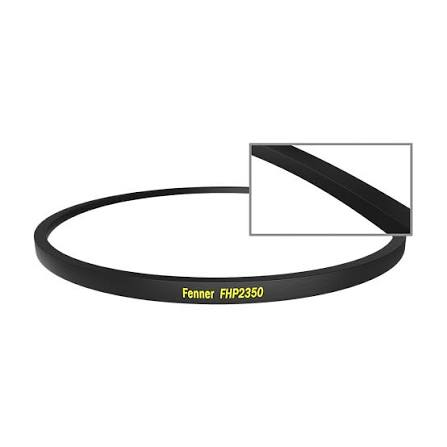
Use the belt code printed on the old belt or the machine manual. If unavailable, measure the pulley centre distance and pulley diameters and calculate the belt pitch length using the standard formula.
It is not recommended. Belts in a set should be matched in length and condition, and replaced together, to share the load evenly and avoid premature failure.
Poly-V (ribbed) belts have multiple longitudinal ribs. They are used in drives that need flexibility, multiple grooves, and smooth running, such as in some automotive and light industrial machines.