Subcategories
Products ()
Inclusive of all taxes
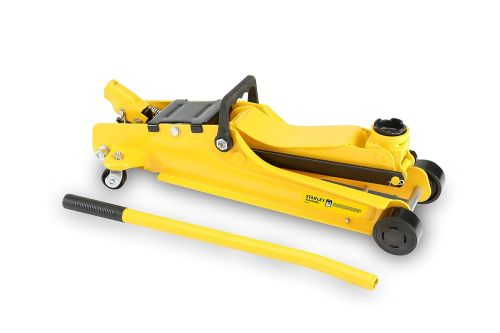
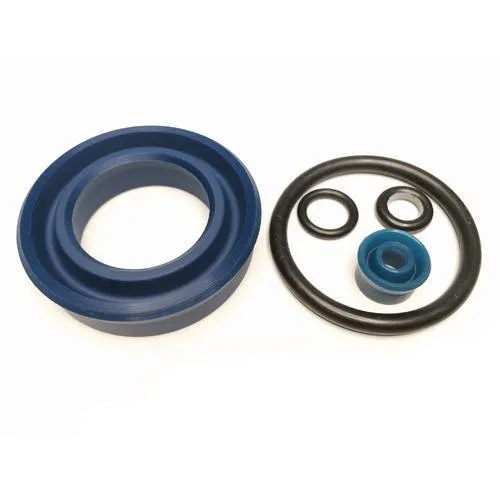
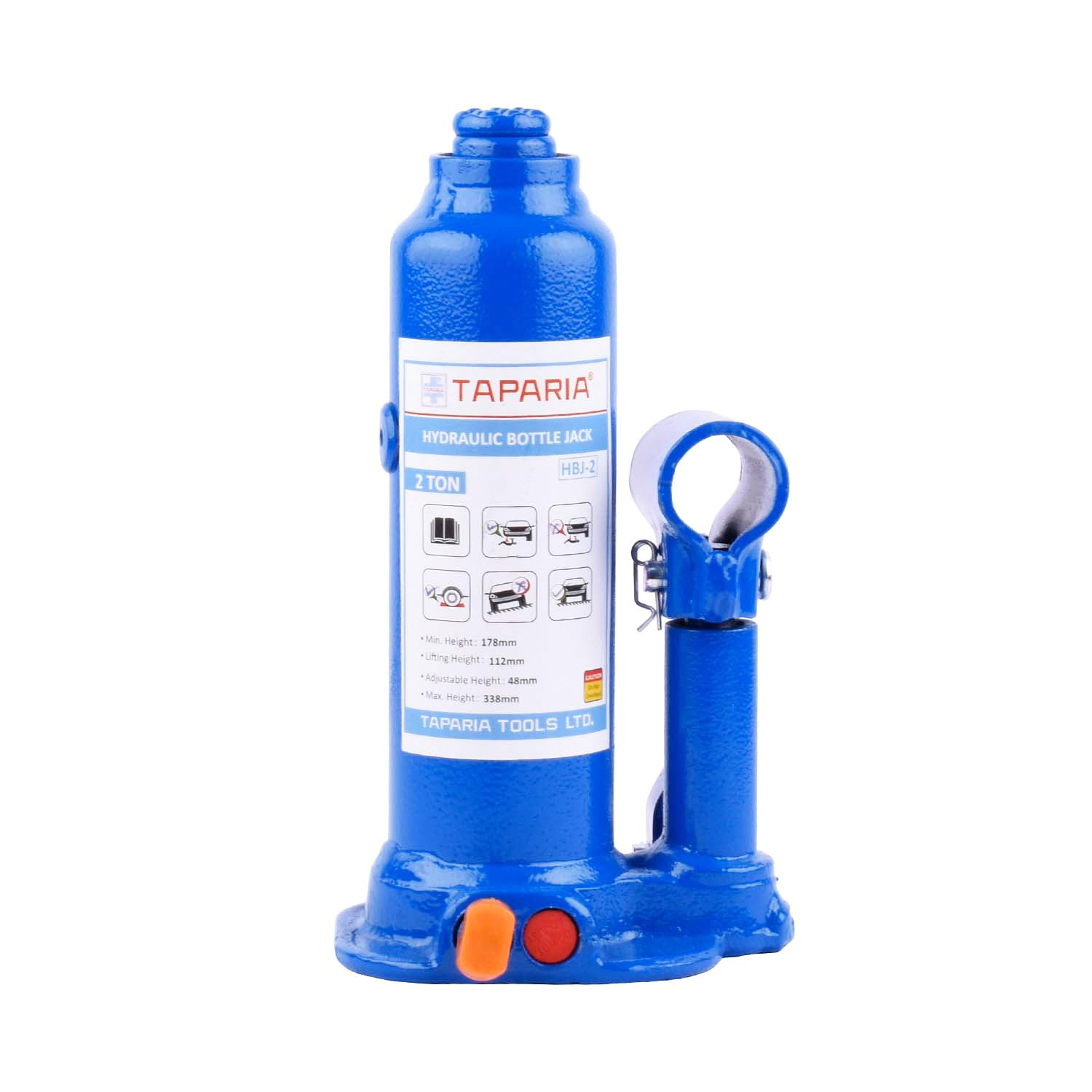
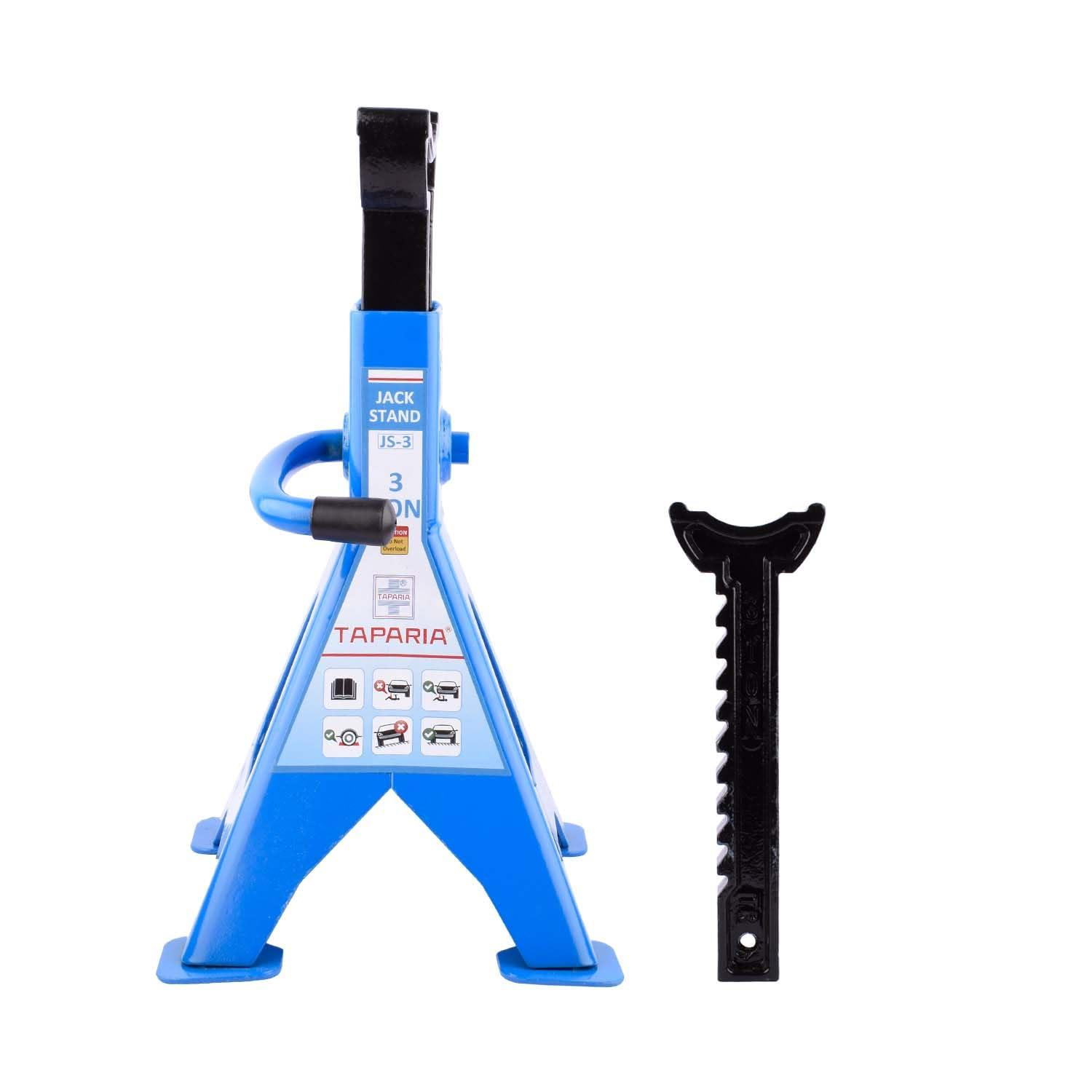
Hydraulic trolley jacks, bottle jacks, jack stands and spare kits for workshops and vehicle service.

Inclusive of all taxes

Inclusive of all taxes

Inclusive of all taxes

Inclusive of all taxes

Inclusive of all taxes
Showing 5 of 5 products
Hydraulic jacks lift a load by pushing fluid through a piston, so a small hand pump can raise heavy weights. Trolley jacks have wheels and a long handle, which makes them suited to workshops and garages where the vehicle is moved often. Bottle jacks are compact and tall-lifting for their size, and are commonly used under vehicles or in fixed setups. Jack stands are not lifting devices. They hold a load after it has been raised and should always be placed under a secure support point before anyone works underneath.
When choosing a jack, check the weight capacity first and keep a safety margin above the heaviest load you expect. Confirm the height range, since the lowest and highest lift points must suit your vehicle or equipment. For trolley jacks, wheel diameter affects how easily the jack rolls over uneven floors. Pairs of jack stands are sold together so both sides of a vehicle can be supported evenly. Spare kits contain seals and fittings that help restore a jack after normal wear. Use the rated capacity as a limit, keep the jack on firm level ground, and read the manufacturer's instructions before use.

A trolley jack has wheels and a long handle, so it can be moved around a workshop and lifts from a low profile. A bottle jack is compact and vertical, and is usually used for lifting from a fixed position under a vehicle or load.
Yes. A jack is designed to lift, and hydraulic jacks can slowly lose pressure or slip. A jack stand holds the load in place once it has been raised, which is safer for anyone working under it.
Pick a jack whose rated weight capacity is above the heaviest load you will lift. Do not use a jack at or near its rated limit, and avoid lifting a load that exceeds the rating even briefly.
The height range shows the lowest and highest positions the jack can reach. Check that the minimum height fits under your vehicle or equipment and that the maximum height gives enough clearance for the work.
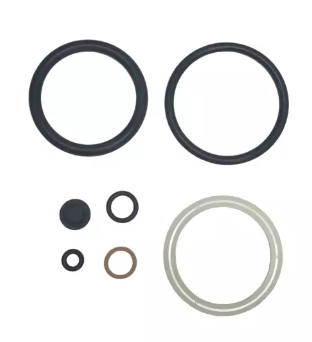
Spare kits contain seals, washers and other parts that wear over time. Replacing them can restore a hydraulic jack's performance without buying a new unit.