Subcategories
Products ()
Inclusive of all taxes
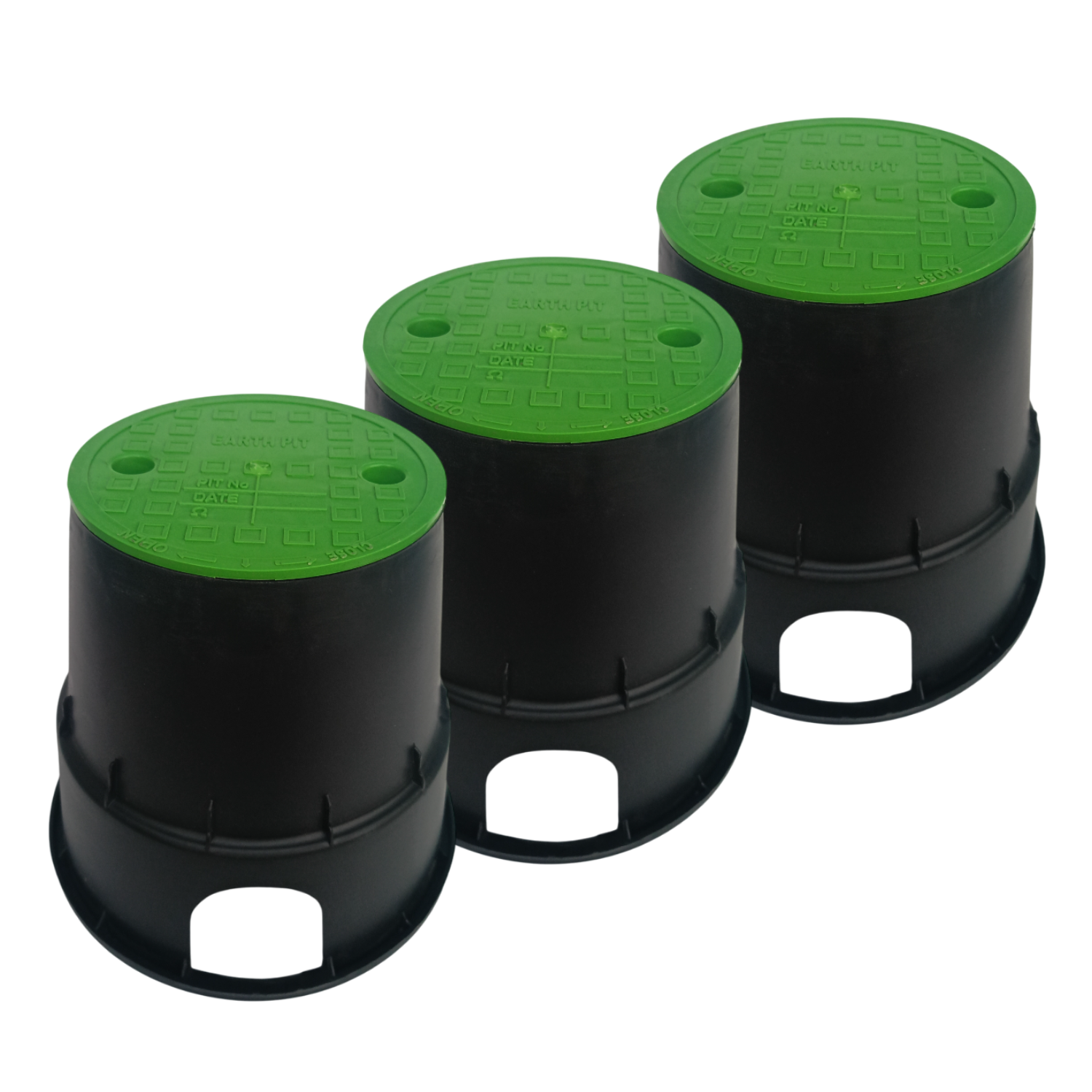
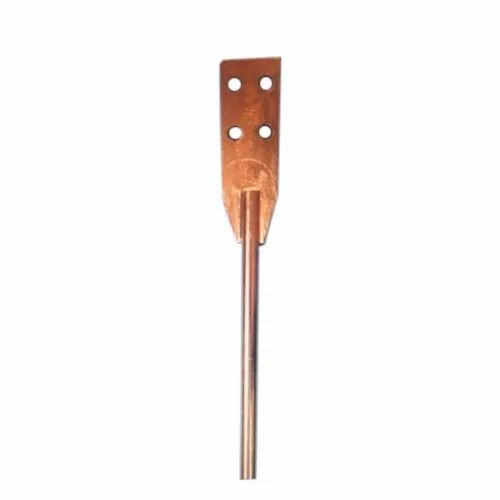
Copper bonded earthing rods and earth bit covers for safe electrical grounding in industrial installations.

Inclusive of all taxes

Inclusive of all taxes
Showing 2 of 2 products
Earthing and grounding equipment provides a low-resistance path for fault current to flow safely into the earth, protecting equipment and people from electric shock. In industrial installations, the earth electrode is usually a copper bonded steel rod driven into the ground, connected to the panel or equipment earth bus with a suitable earth conductor.
Copper bonded earthing rods combine a steel core for mechanical strength with a copper outer layer for corrosion resistance and good conductivity. Check the rod diameter and length against the earthing design and the applicable electrical safety standard before purchase.
Earth bit covers protect the top of the earth pit and help keep the threaded or bolted joint clean and accessible. Choose the cover size to suit the earth pit and the bit or rod top used at the site.
Before installing, confirm the required earth resistance value for your installation, the soil conditions, and the number of electrodes needed. Use proper bonding and clamps to keep joints secure and corrosion-free.

A copper bonded earthing rod is a steel rod with a copper layer metallurgically bonded to its outer surface. The steel gives strength for driving into the ground, and the copper gives corrosion resistance and good conductivity to the soil.
An earth bit cover fits over the top of an earth pit and protects the earth connection from dirt, water and mechanical damage. It also makes the earth pit easier to locate and maintain.
The rod size depends on the required earth resistance, soil resistivity and the earthing design for the installation. Follow the design calculation and the applicable electrical code rather than choosing size by habit.
Some installations require multiple electrodes connected in parallel to reach the target earth resistance, especially in dry or high-resistivity soil. The number and spacing should come from the earthing design.