Subcategories
Products ()
Inclusive of all taxes
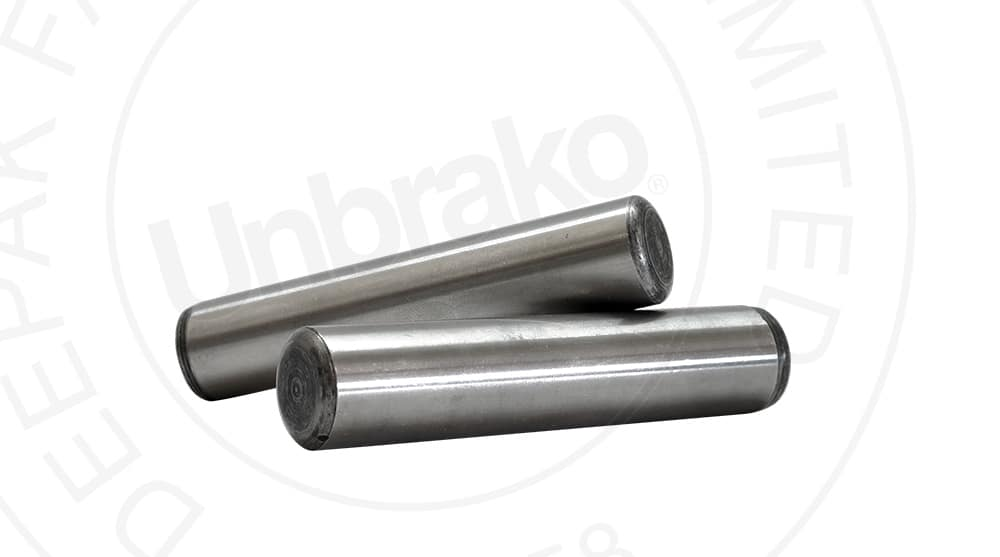
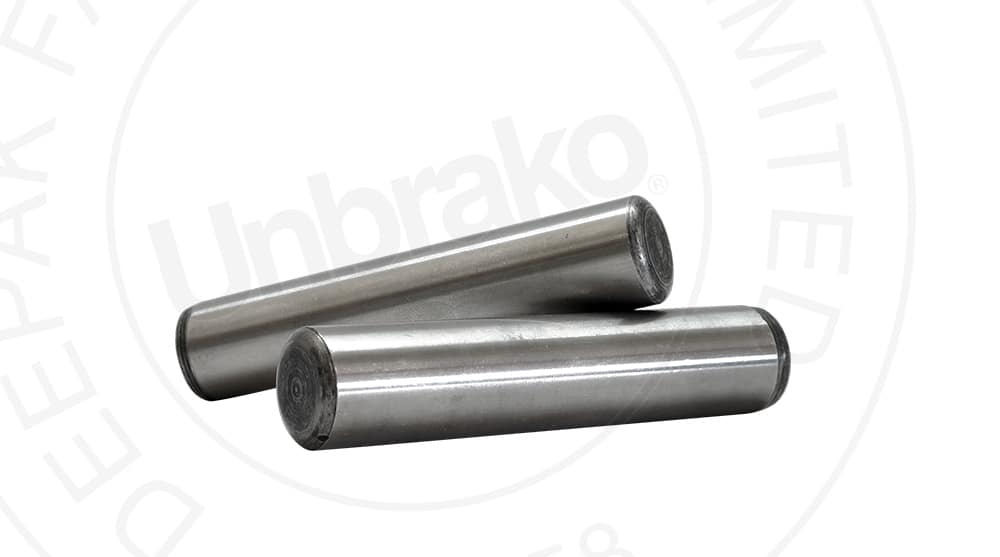
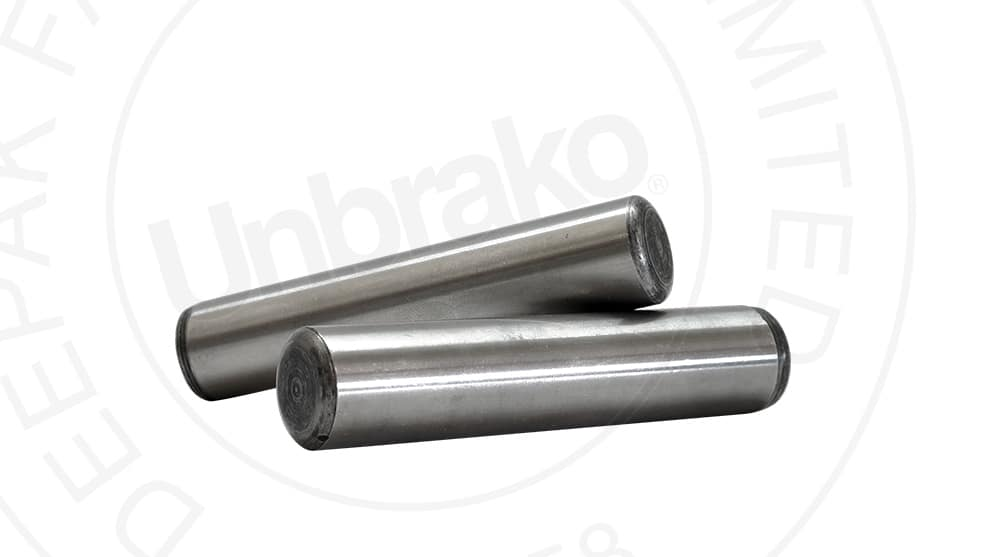
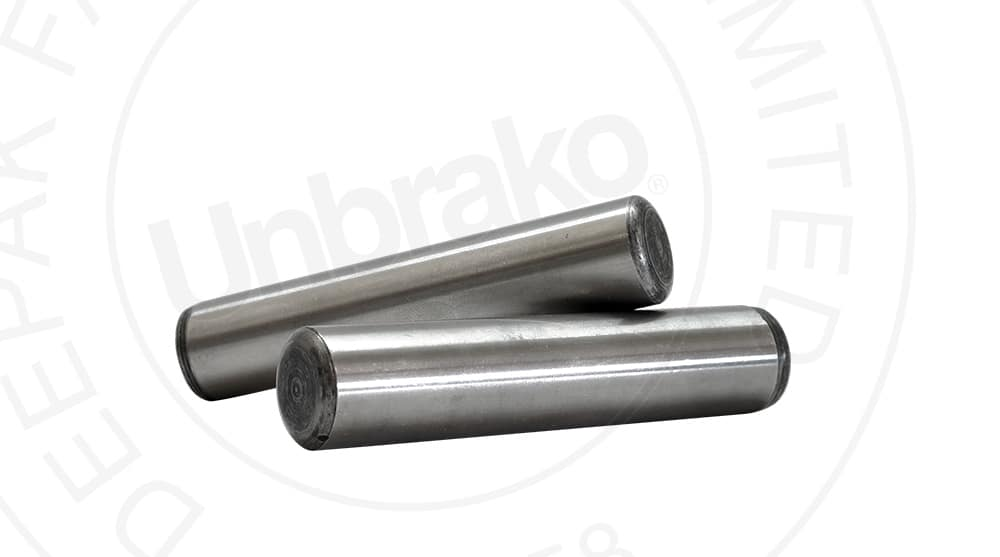
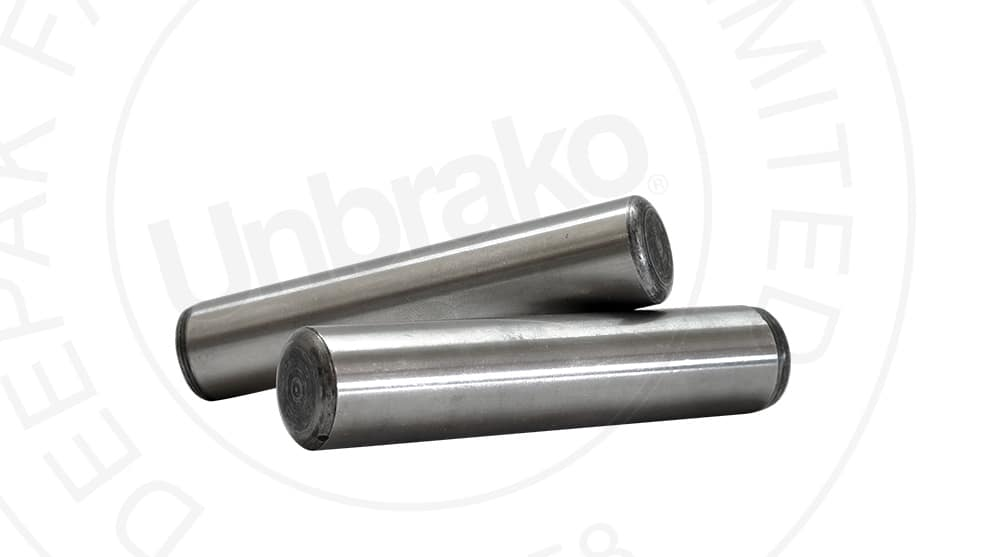
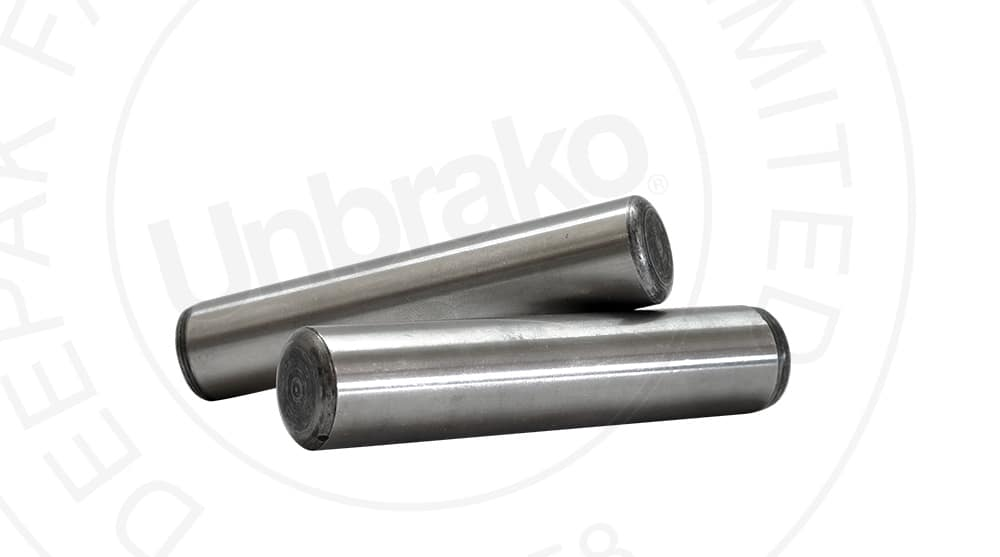
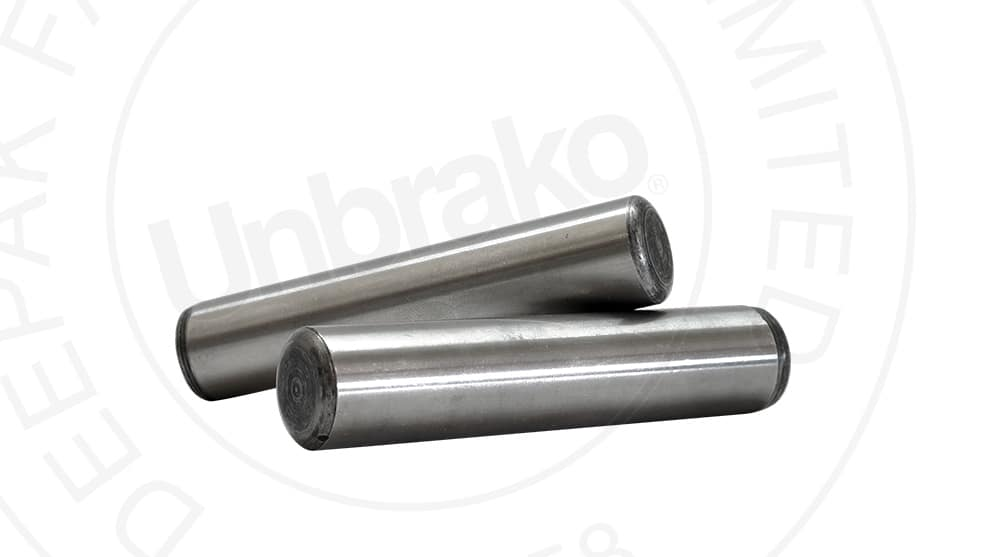
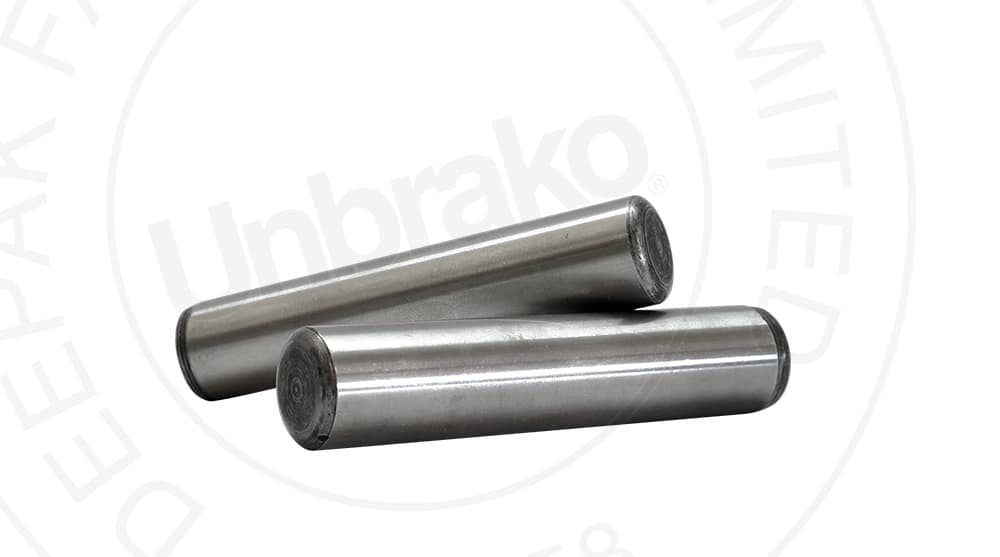
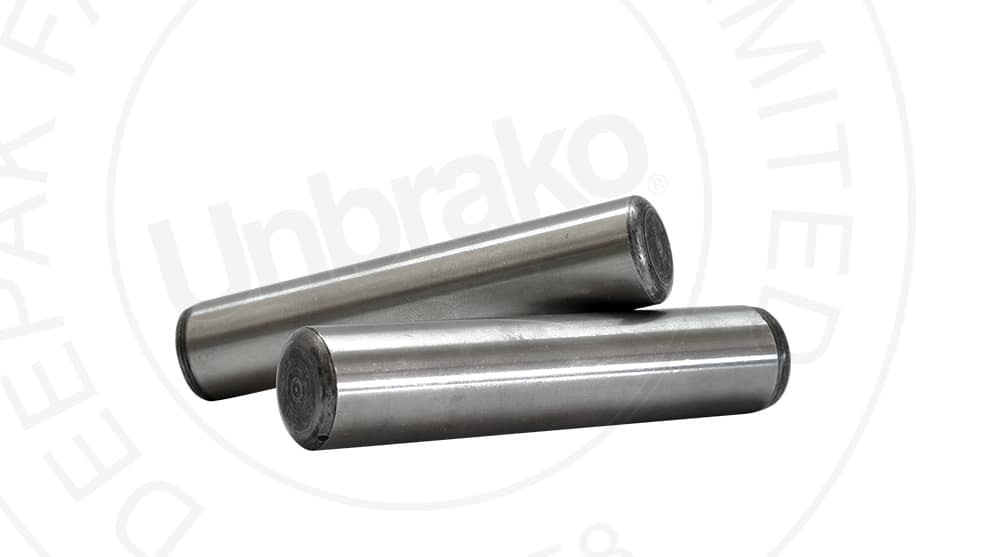
Unbrako metric dowel pins in M2 to M16 for precise location and alignment in machinery and assemblies.

Inclusive of all taxes

Inclusive of all taxes

Inclusive of all taxes

Inclusive of all taxes

Inclusive of all taxes

Inclusive of all taxes

Inclusive of all taxes

Inclusive of all taxes

Inclusive of all taxes
Showing 9 of 9 products
Dowel pins are cylindrical fasteners that locate two or more parts in precise alignment, or transmit shear load between them. They are commonly used in jigs, fixtures, moulds, machine frames and assemblies where repeatable positioning matters more than clamping force.
How to choose a dowel pin: - Diameter (metric size): Match the pin to the hole it fits. The size code, such as M6 or M10, refers to the nominal pin diameter. Use the hole diameter in the mating part to confirm the fit. - Length: Choose a length that engages enough material in both parts. Pins that are too short may pull out under load. - Fit: Dowel pins are usually installed in an interference or light press fit. Check the tolerance class specified for the hole. - Material and hardening: Hardened steel pins resist wear in repeated assembly and disassembly. Check the material and hardening process listed for each product. - Surface finish: Plain or treated finishes differ in corrosion resistance. Choose the finish that suits the operating environment.
Before ordering, confirm the pin diameter, length and finish against your drawing. If the mating hole is reamed or bored to a specific tolerance, match the pin tolerance to it.

A dowel pin is parallel along its length and is used for locating parts or transmitting shear load in a press-fit hole. A taper pin is tapered, so it can be driven into a tapered hole and removed more easily. Dowel pins are the usual choice for permanent alignment.
The size code, such as M6 or M10, gives the nominal pin diameter. Measure the hole in the mating part and choose a pin that matches the specified fit. Confirm the length against the depth of the joint.
Hardened pins are better suited to applications with repeated insertion, high shear load or wear, such as jigs and moulds. For light, one-time location, a standard pin may be sufficient. Check the hardening type listed on the product.
Yes, but the hole must be deep enough to accept the pin fully, and provision must be made to extract it if required. Blind holes need clean bottoms and adequate clearance for removal.