Subcategories
Products ()
Inclusive of all taxes
Concrete, wedge, chemical and drop-in anchors for fixing loads to masonry, concrete and steel.
Concrete Anchors, Wedge Anchors, Chemical Anchors and Anchor Fastening Systems

Inclusive of all taxes

Inclusive of all taxes

Inclusive of all taxes

Inclusive of all taxes

Inclusive of all taxes
Showing 5 of 5 products
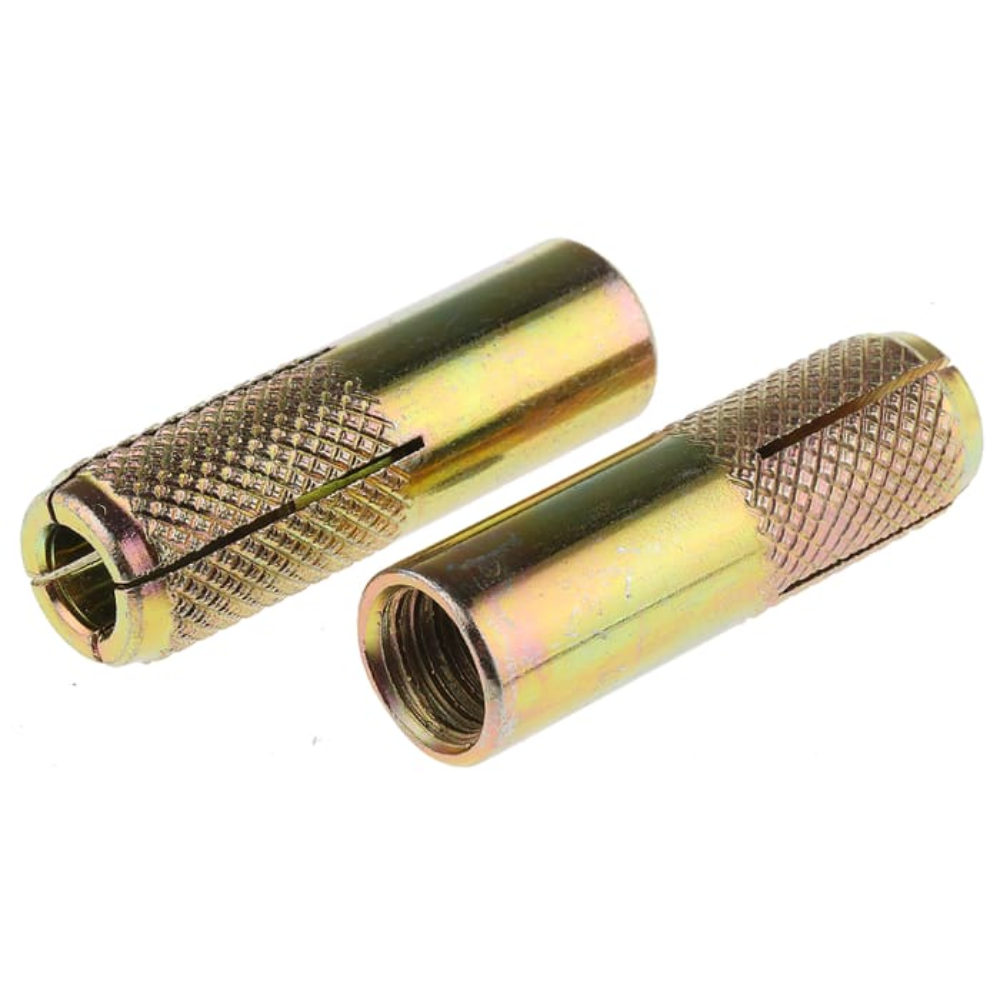
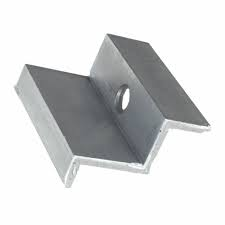
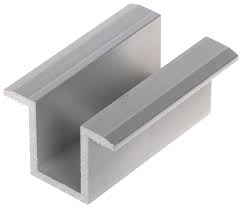
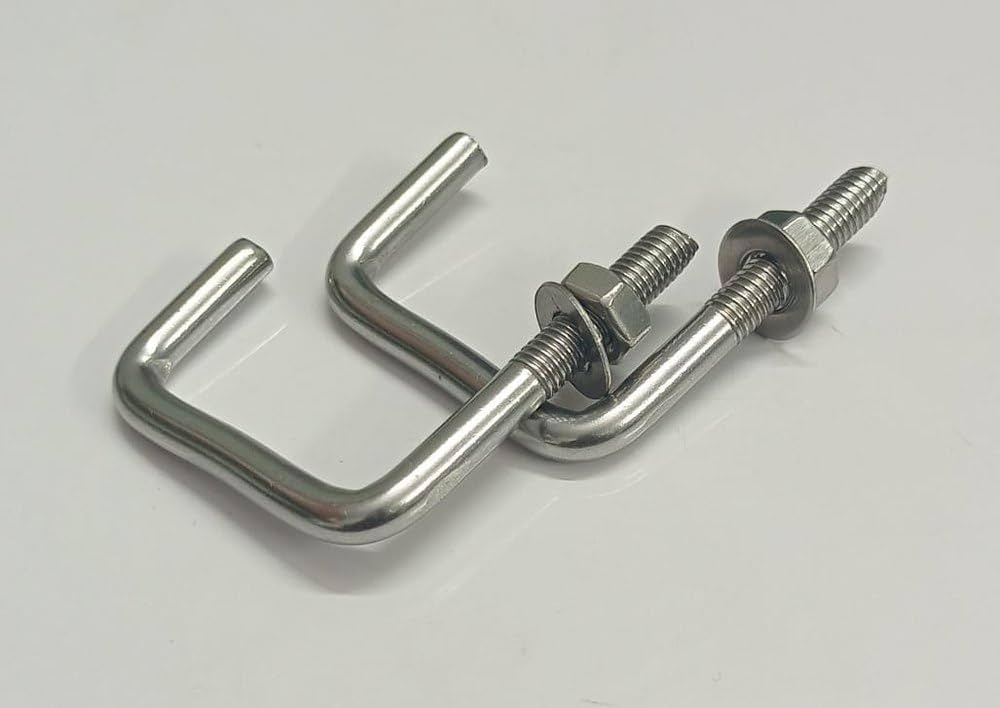
Anchors are fasteners that transfer a load from a fixture into concrete, masonry or other base material. Choose the anchor type by base material, load and environment. Wedge anchors suit solid concrete and carry heavy static loads. Drop-in anchors are set flush with the surface and are used with a setting tool and hammer, often for overhead or ceiling work. Chemical anchors use a resin or adhesive and suit cracked concrete, brittle masonry and close edge distances. Mid clamps and end clamps hold solar modules to mounting rails. J bolts are cast into concrete to take a threaded connection.
Check the bolt diameter and drill hole size specified for the anchor before purchase, and match the embedment depth to the load requirement. Zinc plated anchors suit dry indoor and general outdoor use. Stainless steel grades such as SS 304 suit damp or corrosive locations. Confirm the size range and finish against the drawing or installation manual.

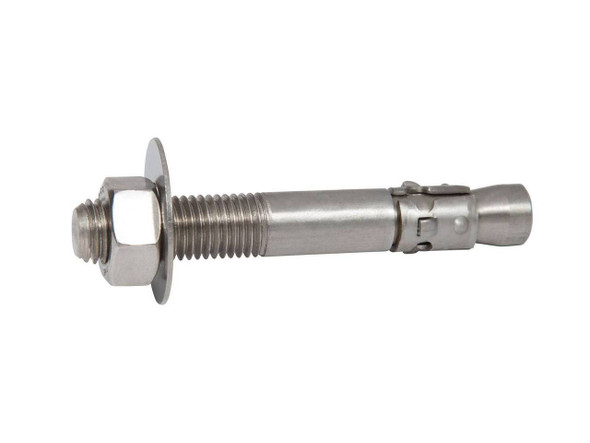
A wedge anchor is inserted through the fixture and expands at the bottom of the hole as the nut is tightened, and it is suited to solid concrete under heavy static loads. A drop-in anchor sits flush with the surface and is expanded by a setting tool driven in with a hammer, which makes it suited to overhead and ceiling fixing where a protruding bolt is not wanted.
Chemical anchors are used where mechanical expansion could crack the base material, such as cracked concrete, brittle masonry, thin sections or fixings close to an edge. They also suit deep or high-load fixings where a resin bond gives more even load transfer. The resin must be used within its shelf life and the hole must be cleaned as specified.
Zinc plated carbon steel suits dry indoor and general use. For damp, outdoor or corrosive locations, stainless steel grades such as SS 304 are more suitable. Check the environment and the material specified in the design before choosing.
Match the anchor diameter and length to the fixture thickness, the required embedment depth and the load. Drill the hole to the diameter and depth stated for that anchor, clean out the dust, and tighten to the torque in the manufacturer's data. Confirm the size range against the drawing or installation guide.